
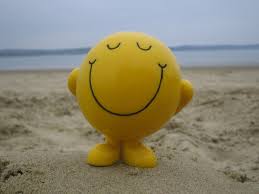
happy基本信息
读法:英 ["hæpɪ] 美 ["hæpɪ]
释义:
使用频率:★★★★
星级词汇:★★★★★
英英释义
Adjective:
"spent many happy days on the beach"
"a happy marriage"
"a happy outcome"
"a few well-chosen words"
中英词源
happy 高兴的,幸运的
来自hap,发生,运气,机会。即运气好的,引申词义高兴的。
- happy
- happy: [14] The Old and Middle English word for ‘happy’ was what in modern English has become silly. This began to change its meaning around the 15th century, and obviously an opportunity began to open up for an adjective expressing ‘contentment’ (as opposed to positive ‘joy’, denoted then by glad, fain, and joyful). The gap was partly filled by a weakening in the meaning of glad, but waiting in the wings was happy, a derivative of the noun hap ‘chance, luck’ (source of happen), which when it was coined in the 14th century meant ‘lucky, fortunate, prosperous’.
The main modern sense ‘highly pleased or contented’ developed in the early 16th century.
=> happen - happy (adj.)
- late 14c., "lucky, favored by fortune, being in advantageous circumstances, prosperous;" of events, "turning out well," from hap (n.) "chance, fortune" + -y (2). Sense of "very glad" first recorded late 14c. Meaning "greatly pleased and content" is from 1520s. Old English had eadig (from ead "wealth, riches") and gesælig, which has become silly. Old English bliðe "happy" survives as blithe. From Greek to Irish, a great majority of the European words for "happy" at first meant "lucky." An exception is Welsh, where the word used first meant "wise."
Happy medium "the golden mean" is from 1702. Happy ending in the literary sense recorded from 1756. Happy as a clam (1630s) was originally happy as a clam in the mud at high tide, when it can"t be dug up and eaten. Happy hunting ground, the reputed Indian paradise, is attested from 1840, American English. Happy day for "wedding day" is by 1739; happy hour for "early evening period of discount drinks and free hors-d"oeuvres at a bar" is by 1961, said to be 1950s. Related: Happier; happiest. - happy (adv.)
- late 14c., from happy (adj.).
词态变化
比较级 happier;
最高级 happiest;
名词 happiness;
权威造句
- 1. She has now changed into a happy, self-confident woman.
- 如今她已经变成一个快乐、自信的女人。
来自柯林斯例句
- 2. He was so happy communing with the dolphin in Dingle Bay.
- 他在丁格尔湾与海豚交流的时候特别开心。
来自柯林斯例句
- 3. Like the best stories, this one may yet have a happy end.
- 就像最精彩的故事那样,这个故事也许仍会有个美好的结局。
来自柯林斯例句
- 4. Some foreign governments appear happy to gloss over continued human rights abuses.
- 一些外国政府似乎很乐于掩盖不断出现的侵犯人权现象。
来自柯林斯例句
- 5. I wasn"t too happy with what I"d written so far.
- 我对于目前已写完的这些并不太满意。
来自柯林斯例句
近反义词
相似短语
单词分析
这些形容词均含“愉快的,高兴的”之意。happy侧重感到满足、幸福或高兴。
glad最普通用词,语气较弱,表示礼貌的惯用语。指乐于做某事或因某事而感到满足,常表愉快的心情。
cheerful多指因内心的愉快而表现出兴高采烈,是强调而自然的感情流露。
joyful语气较强,强调心情或感情上的欣喜。
merry指精神情绪的暂时高涨,表示欢乐、愉快的心境或情景,侧重充满欢笑声和乐趣。
delightful指能带来强烈的快乐,激起愉快的情感,用于非常愉快的场合。
gay侧重无忧无虑、精神昂扬、充满生命的快乐。
pleasant侧重给人以“赏心悦目”或“愉快的,宜人的”感受。
nice语气较温和,泛指任何愉快或满意的感觉。
jolly通俗用词,多指充满快乐与喜悦的神情。
agreeable指与感受者的愿望、情趣或受好等和谐一致而带来的心情上的快意。
记忆方法
1. happen => perhaps.
2. happen => hap.
3. happen => hapless.
4. hap "chance, fortune, luck" + 双写p加-y.
版权声明:问题易所有作品(图文、音视频)均来源网络,版权归原创作者所有,与本站立场无关,如不慎侵犯了你的权益,请联系我们告知,我们将做删除处理!