
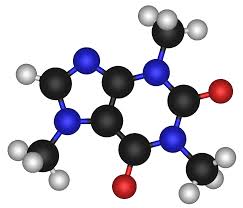
molecule基本信息
读法:英 ["mɒlɪkjuːl] 美 ["mɑlɪkjul]
释义:
使用频率:★★
星级词汇:★★★
英英释义
Noun:
中英词源
molecule 分子
来自拉丁语moles,大块,防洪堤,大工程,大建筑物,-cul,小词后缀。用于化学术语分子。
- molecule (n.)
- 1794, "extremely minute particle," from French molécule (1670s), from Modern Latin molecula, diminutive of Latin moles "mass, barrier" (see mole (3)). A vague meaning at first; the vogue for the word (used until late 18c. only in Latin form) can be traced to the philosophy of Descartes. First used of Modern Latin molecula in modern scientific sense by Amedeo Avogadro (1811).
词态变化
复数 molecules;
形容词 molecular;
权威造句
- 1. So tell me what this molecule does that makes it special.
- 那么告诉我这个分子有何作用而使其与众不同。
来自柯林斯例句
- 2. The chemical structure of this particular molecule is very unusual.
- 这个特殊分子的化学结构很不寻常。
来自柯林斯例句
- 3. A molecule of water consists of two atoms of hydrogen and one atom of oxygen.
- 水分子由两个氢原子和一个氧原子构成。
来自《权威词典》
- 4. A methane molecule is composed of one carbon atom attached to four hydrogens.
- 甲烷分子由1个碳原子与4个氢原子构成。
来自柯林斯例句
- 5. The molecule contains four carbon atoms arranged in a ring with a triple bond between two of them.
- 这个分子包含四个呈环状排列的碳原子,每两个碳原子之间形成一个三价键。
来自柯林斯例句WWW.WEnTiyI.cOM
近反义词
相似短语
单词分析
这些名词均有“粒,微粒”之意。molecule指物质中保持原物质的一切化学性质,能独立存在的最小微粒,即分子。
atom指元素的最小粒子,其体积比molecule小。
particle指任何物质的微粒,引申指任何小的部分。
speck一般指“微点”或“微粒”,可引申指“斑点、污点”。
grain通常指能为肉眼清楚看到的颗粒,比上述几个词所表“粒”的体积大。
记忆方法
暂无,等待补充.
版权声明:问题易所有作品(图文、音视频)均来源网络,版权归原创作者所有,与本站立场无关,如不慎侵犯了你的权益,请联系我们告知,我们将做删除处理!