
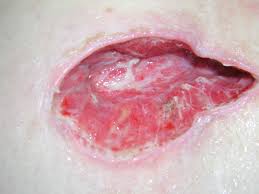
wound基本信息
读法:英 [wuːnd] 美 [wund]
释义:
使用频率:★★★★WwW.weNtiyI.COM
星级词汇:★★★★
英英释义
Noun:
"deep in her breast lives the silent wound"
"The right reader of a good poem can tell the moment it strikes him that he has taken an immortal wound--that he will never get over it"
"This remark really bruised my ego"
中英词源
wound 伤口
来自PIE*wen,击,打,伤口,可能来自PIE*wel的鼻音形式,撕,扯,词源同vulture,svelte.
- wound
- wound: [OE] Wound is a widespread Germanic word, with relatives in German wunde, Dutch wond, and Icelandic und (Danish vunde is a reborrowing from Low German). Its ultimate origins are uncertain, but it has been speculated that it may go back to an Indo-European base *wen-, which also produced Welsh gwanu ‘stab’.
- wound (n.)
- Old English wund "hurt, injury, ulcer," from Proto-Germanic *wundaz (cognates: Old Saxon wunda, Old Norse und, Old Frisian wunde, Old High German wunta, German wunde "wound"), perhaps from PIE root *wen- (2) "to beat, wound."
- wound (v.)
- Old English wundian "to wound," from the source of wound (n.). Cognate with Old Frisian wundia, Middle Dutch and Dutch wonden, Old High German wunton, German verwunden, Gothic gawundon. Figurative use, of feelings, etc., from c. 1200. Related: Wounded; wounding.
词态变化
复数 wounds;
第三人称单数 wounds;
过去式 wounded;
过去分词 wounded;
现在分词 wounding;
权威造句
- 1. The queues at the door wound around the building.
- 门口的队伍绕了大楼一圈。
来自柯林斯例句
- 2. He is being treated for a self-inflicted gunshot wound.
- 他因开枪自残受伤正在接受治疗。
来自柯林斯例句
- 3. I wound up the watch and listened to it tick.
- 我给表上紧发条,听着它嘀嗒作响。
来自柯林斯例句
- 4. The other injured man had a superficial stomach wound.
- 另一名受伤男子是腹部的皮外伤。
来自柯林斯例句
- 5. He explored the wound with his finger, trying to establish its extent.
- 他用手指摸了摸伤口,想要确定受伤的程度。
来自柯林斯例句
近反义词
n.
相似短语
单词分析
这些动词均有“损害,伤害”之意。hurt普通用词,较口语化,侧重指给有生命的东西造成机体上或精神、感情上的或轻或重的伤害。
injure较hurt正式,多用于有生命的事物。既可指伤害别人的事物。即可指伤害别人的健康、外貌、自尊心、名誉等,又可指使别人受伤或东西受损,同时含有受伤害部分至少暂时丧失功能的意味。
wound专指对身体的重伤,尤指在战斗中受的伤,强调外部创伤;也可指精神方面的伤害。
harm主要用于有生命的东西,语气略强于injure,指引起严重的痛苦和损伤;有时也用于抽象事物,指造成任何不良后果。
damage通常指对无生命物体的损害,并有降低其价值,破坏其功能等的后果。
disable强调使伤残。 这些名词均有“伤口,损伤”之意。
wound通常指尖锐锋利的工具所致的伤口,多深及到表皮组织以下。可用作引申指打击或伤害。
bruise指表皮下面的组织受损,但没有破裂。但由于血流进组织,因而出现紫块。普通用词。
cut指因尖利的器械的刺或割而造成的或深或浅的伤口。
scar主要指伤口愈合而留下的伤疤。
记忆方法
暂无,等待补充.
版权声明:问题易所有作品(图文、音视频)均来源网络,版权归原创作者所有,与本站立场无关,如不慎侵犯了你的权益,请联系我们告知,我们将做删除处理!