
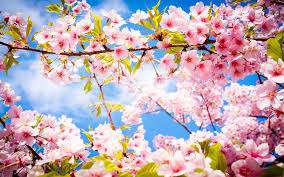
spring基本信息
读法:英 [sprɪŋ] 美 [sprɪŋ]
释义:
使用频率:★★★★
星级词汇:★★★★★
英英释义
Noun:
"he will hold office until the spring of next year"
"The child leapt across the puddle"
"Can you jump over the fence?"
"These particles do not resile but they unite after they collide"
中英词源
spring 蹦,跳,跃
来自古英语 springan,蹦,跳,跃,来自 Proto-Germanic*springana,弹,跳,冲出,来自 PIE*spergh, 弹,跳,快速移动,可能来自 PIE*sper,播撒,展开,词源同 spread,spark.
- spring
- spring: [OE] The noun spring and the verb spring come from the same source: the Indo-European base *sprengh-, which denoted ‘rapid movement’. Of its Germanic verbal descendants, German and Dutch springen, like English spring, have moved on semantically to ‘jump’, but Swedish springa ‘run’ has stayed closer to its roots. The noun spring in Old English times denoted the place where a stream ‘rises’ from the ground, which soon evolved metaphorically into ‘source, origin’ in general.
The notion of ‘rising’ was also applied figuratively to the ‘beginning of the day’ and to the ‘emergence of new growth’, and the latter led in the 16th century, via the expression spring of the year, to the use of spring for the ‘season following winter’ (replacing the previous term Lent). - spring (v.)
- Old English springan "to leap, burst forth, fly up; spread, grow," (class III strong verb; past tense sprang, past participle sprungen), from Proto-Germanic *sprengan (cognates: Old Norse, Old Frisian springa, Middle Dutch springhen, Dutch Related: springen, Old Saxon and Old High German springan, German springen), from PIE *sprengh-, nasalized form of root *spergh- "to move, hasten, spring" (cognates: Sanskrit sprhayati "desires eagerly," Greek sperkhesthai "to hurry").
In Middle English, it took on the role of causal sprenge, from Old English sprengan (as still in to spring a trap, etc.). Meaning "to cause to work or open," by or as by a spring mechanism, is from 1828.Meaning "to announce suddenly" (usually with on) is from 1876. Meaning "to release" (from imprisonment) is from 1900. Slang meaning "to pay" (for a treat, etc.) is recorded from 1906. - spring (n.1)
- season following winter, the vernal season, c. 1400, earlier springing time (late 14c.), which replaced Lent, the Old English word. From spring (v.); also see spring (n.3). The notion is of the "spring of the year," when plants begin to rise (as in spring of the leaf, 1520s), from the noun in its old sense of "action or time of rising or springing into existence." It was used of sunrise, the waxing of the moon, rising tides, etc.; compare 14c. spring of dai "sunrise," spring of mone "moonrise," late Old English spring "carbuncle, pustule."
Other Germanic languages tend to take words for "fore" or "early" as their roots for the season name (Danish voraar, Dutch voorjaar, literally "fore-year;" German Frühling, from Middle High German vrueje "early"). In 15c. English, the season also was prime-temps, after Old French prin tans, tamps prim (French printemps, which replaced primevère 16c. as the common word for spring), from Latin tempus primum, literally "first time, first season."
Spring fever is from 1843 as "surge of romantic feelings;" earlier of a type of disease or head-cold prevalent in certain places in spring; Old English had lenctenadle. First record of spring cleaning in the domestic sense is by 1843 (in ancient Persia, the first month, corresponding to March-April, was Adukanaiša, which apparently means "Irrigation-Canal-Cleaning Month;" Kent, p.167). Spring chicken "small roasting chicken" (usually 11 to 14 weeks) is recorded from 1780; transferred sense of "young person" first recorded 1906. Baseball spring training attested by 1889, earlier of militias, etc. - spring (n.2)
- "source of a stream or river, flow of water rising to the surface of the earth from below," Old English spring "spring, source, sprinkling," from spring (v.) on the notion of the water "bursting forth" from the ground. Rarely used alone in Old English, appearing more often in compounds, such as wyllspring "wellspring," espryng "water spring." Figurative sense of "source or origin of something" is attested from early 13c. Cognate with Old High German sprung "source of water," Middle High German sprinc "leap, jump; source of water."
- spring (n.3)
- "act of springing or leaping," late 14c., from spring (v.). The elastic wire coil that returns to its shape when stretched is so called from early 15c., originally in clocks and watches. As a device in carriages, coaches, etc., it is attested from 1660s.
词态变化
复数 springs;
第三人称单数 springs;
过去式 sprang;
过去分词 sprung;
现在分词 springing;
权威造句
- 1. I let the horse drop his head to crop the spring grass.
- 我让马低下头啃吃春天的青草。
来自柯林斯例句
- 2. The blustery winds of spring had dropped to a gentle breeze.
- 呼啸的春风已经减弱,成了习习的微风。
来自柯林斯例句
- 3. If unused, winter radishes run to seed in spring.
- 如果不去动的话,冬萝卜会在春天开花结籽。
来自柯林斯例句
- 4. In the spring, the meadow is a mass of daffodils.
- 春天,草地上开满了黄水仙。
来自柯林斯例句
- 5. And all the time next spring"s elections are drawing closer.
- 明年春天的选举即将来临。
来自柯林斯例句
近反义词
n.
相似短语
单词分析
这些动词均有“跳,跳跃”之意。jump是普通用词,指用双脚向上跳,向下跳,或在同一平面上跳到有一定距离的某一点上,或跳过。
leap常可与jump换用,但侧重身体猛力向上升起并朝前急冲的动作,有时含突然的意味。
spring更强调有力和弹跳的运动。
hop指单脚短跳或双足猛力的动作。也指小鸟、青蛙等的跳。
bound多指向前向上或向下跳跃、奔跳。
skip指两脚交替轻地跳或跨的动作。
记忆方法
暂无,等待补充.
版权声明:问题易所有作品(图文、音视频)均来源网络,版权归原创作者所有,与本站立场无关,如不慎侵犯了你的权益,请联系我们告知,我们将做删除处理!