a large sandwich made of a long crusty roll split lengthwise and filled with meats and cheese (and tomato and onion and lettuce and condiments); different names are used in different sections of the United States
a diacritical mark (an inverted circumflex) placed above certain letters (such as the letter c) to indicate pronunciation
a heel that is an extension of the sole of the shoe
(golf) an iron with considerable loft and a broad sole
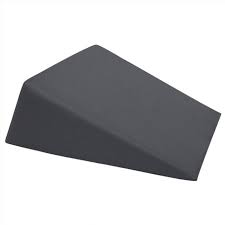
something solid that is usable as an inclined plane (shaped like a V) that can be pushed between two things to separate them
a block of wood used to prevent the sliding or rolling of a heavy object
Verb:
put, fix, force, or implant;"lodge a bullet in the table" "stick your thumb in the crack"
squeeze like a wedge into a tight space;"I squeezed myself into the corner"
Old English wecg "a wedge," from Proto-Germanic *wagjaz (cognates: Old Norse veggr, Middle Dutch wegge, Dutch wig, Old High German weggi "wedge," dialectal German Weck "wedge-shaped bread roll"), of uncertain origin; perhaps related to Latin vomer "plowshare." From 1610s in reference to other things shaped like a wedge. Of women"s shoes or shoe-heels, from 1939. Wedge issue is attested from 1999.
wedge (v.)
early 15c., "jam in place with a wedge; tighten with a wedge," from wedge (n.). Figurative sense "drive or pack (into)" is from 1720. Meaning "split (something) apart with a wedge" attested by 1853. Related: Wedged; wedging.