
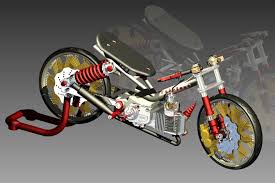
drag基本信息
读法:英 [dræg] 美 [dræg]
释义:
使用频率:★★★
星级词汇:★★★★
英英释义
Noun:
"too many laws are a drag on the use of new land"
"the waitresses looked like missionaries in drag"
"he took a drag on his cigarette and expelled the smoke slowly"
"These worries were dragging at him"
"haul nets"
"don"t drag me into this business"
"draw on a cigarette"
中英词源
drag 拉
来自PIE*dhragh, 拉,词源同draw, tractor.
- drag
- drag: [14] Drag has two possible sources, each with equally plausible claims: Old English dragan, source of modern English draw, or the related Old Norse draga. Both go back to a common Germanic source. Of the modern colloquial applications of the word, ‘women’s clothes worn by men’ seems to have originated in 19th-century theatrical slang, in reference to the ‘dragging’ of a woman’s long skirts along the ground (an unusual sensation for someone used to wearing trousers).
=> draw - drag (v.)
- mid-15c., from Old Norse draga, or a dialectal variant of Old English dragan "to draw," both from Proto-Germanic *dragan "to draw, pull," from PIE root *dhragh- "to draw, drag on the ground" (cognates: Sanskrit dhrajati "pulls, slides in," Russian drogi "wagon;" but not considered to be directly the source of Latin trahere).
Meaning "to take a puff" (of a cigarette, etc.) is from 1914. Related: Dragged; dragging. Drag-out "violent fight" is from c. 1859. To drag (one"s) feet (1946, in figurative sense) supposedly is from logging, from a lazy way to use a two-man saw. - drag (n.)
- c. 1300, "dragnet," perhaps from a Scandinavian source (compare Swedish dragg "grapnel") or from Old English dræge "dragnet," related to dragan "to draw" (see drag (v.)).
Sense of "annoying, boring person or thing" is 1813, perhaps from the notion of something that must be dragged as an impediment. Sense of "women"s clothing worn by a man" is said to be 1870 theater slang, from the sensation of long skirts trailing on the floor (another guess is Yiddish trogn "to wear," from German tragen); drag queen is from 1941.
Drag racing (1947), is said to be from thieves" slang drag "automobile" (1935), perhaps ultimately from slang sense of "wagon, buggy" (1755), because a horse would drag it. By 1851 this was transferred to "street," as in the phrase main drag (which some propose as the source of the racing sense).In addition to the time trials there are a number of "drag races" between two or more cars. They are run, not for record, but to satisfy the desire of most Americans to see who can get from here to there in the fastest time. ["Popular Mechanics," January 1947]
词态变化
第三人称单数 drags;
过去式 dragged;
过去分词 dragged;
现在分词 dragging;
WwW.weNtiYI.Com
权威造句
- 1. Use your mouse to drag the pictures to their new size.
- 用鼠标拖动图片,将其调整为新的尺寸。
来自柯林斯例句
- 2. There"s no telling how long the talks could drag on.
- 谁也说不准谈判还会拖多久。
来自柯林斯例句
- 3. I find it really hard to drag myself out and exercise regularly.
- 我发现要让我自己定期出门锻炼真的很难。
来自柯林斯例句
- 4. The neighborhood is given over to performers, stilt walkers and drag queens.
- 社区变成了玩杂耍的、踩高跷的和扮装皇后的天地。
来自柯林斯例句
- 5. The company was willing to drag out the proceedings for years.
- 公司愿意将诉讼拖上几年。
来自柯林斯例句
近反义词
v.
相似短语
单词分析
这些动词都有“拖、拉”之意。drag指沿斜坡而上或水平方向缓慢地拖或拉十分沉重的人或物。作借喻时可指把人硬拉扯过来。
draw指将人或物朝出力者的方向拖,不涉及力的大小,含平稳意味,常作借喻用。
pull最普通用词,包含本组其它各词的一些意思,可指朝各个方向拉,侧重一时或突然拉动的动作。
haul指用力拖或拉,不涉及方向,多作航海用词。
tug多指一阵阵地用力拖或拉,但不一定使被拉的人或物移动。
tow特指用绳子或链条等拖或拉本身无动力或无法使用自身动力的东西。
jerk指快而突然地拉。
记忆方法
1、tract- => drag.
版权声明:问题易所有作品(图文、音视频)均来源网络,版权归原创作者所有,与本站立场无关,如不慎侵犯了你的权益,请联系我们告知,我们将做删除处理!