
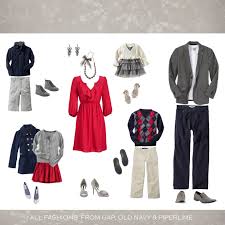
wear基本信息
读法:英 [weə] 美 [wɛr]
释义:
使用频率:★★★★
星级词汇:★★★★★
英英释义
Noun:
"bear a scar"
"The gears wore out"
"The old chair finally fell apart completely"
"He put on his best suit for the wedding"
"The princess donned a long blue dress"
"The queen assumed the stately robes"
"He got into his jeans"
中英词源
wear 穿戴,磨损
来自PIE*wes,穿衣,词源同vest,invest,字母r,s音变。引申词义磨损,损耗。
- wear
- wear: [OE] Wear goes back to a prehistoric Germanic *wazjan, of whose other descendants only the Icelandic past participle varinn ‘clad’ survives. This was formed from the base *was-, which in turn was descended from Indo- European *wes-, source of Latin vestis ‘clothing’, from which English gets vest, vestment, etc.
=> vest - wear (v.)
- Old English werian "to clothe, put on, cover up," from Proto-Germanic *wazjan (cognates: Old Norse verja, Old High German werian, Gothic gawasjan "to clothe"), from PIE *wos-eyo-, from root *wes- (4) "to clothe" (cognates: Sanskrit vaste "he puts on," vasanam "garment;" Avestan vah-; Greek esthes "clothing," hennymi "to clothe," eima "garment;" Latin vestire "to clothe;" Welsh gwisgo, Breton gwiska; Old English wæstling "sheet, blanket;" Hittite washshush "garments," washanzi "they dress").
The Germanic forms "were homonyms of the vb. for "prevent, ward off, protect" (Goth. warjan, O.E. werian, etc.), and this was prob. a factor in their early displacement in most of the Gmc. languages" [Buck]. Shifted from a weak verb (past tense and past participle wered) to a strong one (past tense wore, past participle worn) in 14c. on analogy of rhyming strong verbs such as bear and tear. Secondary sense of "use up, gradually damage" (late 13c.) is from effect of continued use on clothes. To wear down (transitive) "overcome by steady force" is from 1843. To wear off "diminish by attrition or use" is from 1690s. - wear (n.)
- "action of wearing" (clothes), mid-15c., from wear (v.). Meaning "what one wears" is 1560s. To be the worse for wear is attested from 1782; noun phrase wear and tear is first recorded 1660s, implying the sense "process of being degraded by use."
词态变化
复数 wears;
第三人称单数 wears;
过去式 wore;
过去分词 worn;
现在分词 wearing;
权威造句
- 1. He arrived on January 9, disheveled and much the worse for wear.
- 他是1月9号到的,蓬头垢面,疲惫不堪。
来自柯林斯例句
- 2. In warm weather, you should wear clothing that is cool and comfortable.
- 在热天里,应该穿凉快舒适的衣服。
来自柯林斯例句
- 3. I wear my old shoes every day. One sole has come unglued.
- 我每天都穿那双旧鞋,有一只鞋底已经脱胶了。
来自柯林斯例句
- 4. Women were reproved if they did not wear hats in court.
- 女性如果在法庭不戴帽子,就会受到谴责。
来自柯林斯例句
- 5. Individualists say that you should be able to wear what you want.
- 个人主义者认为人应该想穿什么就穿什么。
来自柯林斯例句wWW.wENTiyI.Com
近反义词
v.
相似短语
单词分析
这些动词或词组均含“穿衣,穿”之意。wear最常用词,指穿衣、鞋袜或戴手套等,侧重穿戴的状态。
dress普通用词,指给自己或他人穿衣。既表动作又可表状态。
put on普通用语,指把衣服、鞋袜、帽子、手套等戴上去,侧重穿戴的动作。
记忆方法
暂无,等待补充.
版权声明:问题易所有作品(图文、音视频)均来源网络,版权归原创作者所有,与本站立场无关,如不慎侵犯了你的权益,请联系我们告知,我们将做删除处理!