
lead基本信息
读法:英 [liːd] 美 [lid]
释义:
使用频率:★★WWW.weNTiyi.com
星级词汇:★★★★★
英英释义
Noun:
"the trail led straight to the perpetrator"
"we were just waiting for someone to take the lead"
"they didn"t follow our lead"
"a good lead for a job"
"can you take me to the main entrance?"
"He conducted us to the palace"
"Her blood left a stain on the napkin"
"His knowledge doesn"t go very far"
"My memory extends back to my fourth year of life"
"The facts extend beyond a consideration of her personal assets"
"The road runs South"
中英词源
lead 带领,领导
来自PIE*leit,向前走,词源同lodestar,lodestone.引申词义引导,领导。
lead 铅
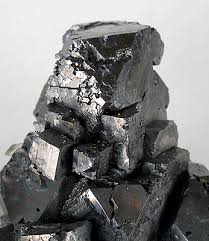
来自Proto-Germanic*lauda,铅,可能进一步来自PIE*ploud,流动,流体,词源同plumb,plumber.因铅是一种易溶易锻造的金属元素而得名,据历史记载,人们利用和使用铅的历史可追溯自公元6000多年前,该遗址位于今土耳其境内。
- lead
- lead: [OE] English has two words lead, spelled the same but of course pronounced differently and with a very different history. The verb goes back to a prehistoric West and North Germanic *laithjan. This was derived from *laithō ‘way, journey’ (from which English gets load); so etymologically lead means ‘cause to go along one’s way’. Its Germanic relatives include German leiten, Dutch leiden, Swedish leda, and Danish lede. Lead the metal is probably of Celtic origin.
The prehistoric Celtic word for ‘lead’ was *loudiā, which may have come ultimately from an Indo-European source meaning ‘flow’ (a reference to the metal’s low melting point). Its modern descendants include Irish luaidhe and Gaelic luaidh. It could well have been borrowed into prehistoric West Germanic as *lauda, which would have produced modern German lot ‘solder’, Dutch lood ‘lead’, and English lead.
=> load - lead (v.1)
- "to guide," Old English lædan "cause to go with one, lead, guide, conduct, carry; sprout forth; bring forth, pass (one"s life)," causative of liðan "to travel," from Proto-Germanic *laidjan (cognates: Old Saxon lithan, Old Norse liða "to go," Old High German ga-lidan "to travel," Gothic ga-leiþan "to go"), from PIE *leit- "to go forth."
Meaning "to be in first place" is from late 14c. Sense in card playing is from 1670s. Related: Led; leading. Lead-off "commencement, beginning" attested from 1879; lead-in "introduction, opening" is from 1928. - lead (n.1)
- heavy metal, Old English lead, from West Germanic *loudhom (cognates: Old Frisian lad, Middle Dutch loot, Dutch lood "lead," German Lot "weight, plummet"). The name and the skill in using the metal seem to have been borrowed from the Celts (compare Old Irish luaide), probably from PIE root *plou(d)- "to flow."
Figurative of heaviness since at least early 14c. Black lead was an old name for "graphite," hence lead pencil (1680s) and the colloquial figurative phrase to have lead in one"s pencil "be possessed of (especially male sexual) vigor," attested by 1902. Lead balloon "a failure," American English slang, attested by 1957 (as a type of something heavy that can be kept up only with effort, from 1904). Lead-footed "slow" is from 1896; opposite sense of "fast" emerged 1940s in trucker"s jargon, from notion of a foot heavy on the gas pedal. - lead (n.2)
- c. 1300, "action of leading," from lead (v.1). Meaning "the front or leading place" is from 1560s. Johnson stigmatized it as "a low, despicable word." Sense in card-playing is from 1742; in theater, from 1831; in journalism, from 1912; in jazz bands, from 1934.
- lead (v.2)
- early 15c., "to make of lead," from lead (n.1). Meaning "to cover with lead" is from mid-15c. Related: Leaded (early 13c.); leading.
词态变化
复数 leads;
第三人称单数 leads;
过去式 led;
过去分词 led;
现在分词 leading;
权威造句
- 1. Politicians say it could lead to a dissolution of parliament.
- 政客们说这可能会导致议会解散。
来自柯林斯例句
- 2. The group proceeded with a march they knew would lead to bloodshed.
- 这个团体继续示威游行,他们知道这将导致流血事件的发生。
来自柯林斯例句
- 3. This can lead to bodily weakness and muscle wastage.
- 这样可能会导致身体虚弱和肌肉萎缩。
来自柯林斯例句
- 4. Lack of exercise can lead to feelings of depression and exhaustion.
- 缺乏锻炼会导致抑郁和疲劳。
来自柯林斯例句
- 5. The Turkish situation makes the lead in tomorrow"s Guardian.
- 土耳其局势将成为明天《卫报》的头条。
来自柯林斯例句
近反义词
v.
相似短语
单词分析
这些动词都含“引导”之意。direct指为某人指方向,但自己不一定亲自引路,也可表示指导一群人的事或活动。
conduct正式用词,指引导某人去某处,强调亲自带领;也强调监督管理一群有共同目的或目标的人。
guide普通用词,可与conduct换用,指引导者与被引导者双方彼此合作,共同努力的关系。
lead指走在前面给某人引路或带路人共同去达到某一目标。用于抽象意义时,指在某项活动或运动中起主导和组织作用。
pilot从原义“为飞机、轮船导航”借喻为指亲自带领某人去某处。
记忆方法
暂无,等待补充.
版权声明:问题易所有作品(图文、音视频)均来源网络,版权归原创作者所有,与本站立场无关,如不慎侵犯了你的权益,请联系我们告知,我们将做删除处理!