
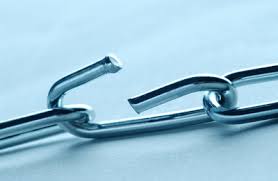
defect基本信息
读法:英 ["diːfekt; dɪ"fekt] 美 [‘dɪfɛkt]
释义:
使用频率:★★
星级词汇:★★★★
英英释义
Noun:
"this device permits detection of defects in the lungs"
"if there are any defects you should send it back to the manufacturer"
中英词源
defect 缺陷
de-, 不,非,使相反。-fect, 做,词源同fact, effect. 即没做好的,缺陷。wWW.WENTiYI.CoM
- defect
- defect: see deficient
- defect (n.)
- early 15c., from Middle French defect and directly from Latin defectus "failure, revolt, falling away," noun use of past participle of deficere "to fail, desert" (see deficient).
- defect (v.)
- 1570s, from Latin defectus, past participle of deficere "to fail, desert" (see defect (n.)). Related: Defected; defecting.
词态变化
复数 defects;
第三人称单数 defects;
过去式 defected;
过去分词 defected;
现在分词 defecting;
权威造句
- 1. Stammering is probably an inherited defect.
- 口吃很可能是一种遗传性缺陷。
来自柯林斯例句
- 2. a defect in the glass
- 玻璃杯的缺陷
来自《权威词典》
- 3. The defect in the drainage must be remedied.
- 这排水系统的缺陷该设法补救.
来自《简明英汉词典》
- 4. He has a congenital heart defect.
- 他有先天性心脏缺陷.
来自《简明英汉词典》
- 5. For a child to be born with this disability indicates a defect in obstetric care.
- 孩子出生时就带有这样的残疾,这表明产科护理有问题。
来自柯林斯例句
近反义词
相似短语
单词分析
这些名词均有“错误”或“缺点”之意。error指思想或行动背离正题轨道或没有得到正确指引而出现的偏差或错误。
fault一般指小并且可宽容的缺点、错误。
blunder通常指由于无知或情况不明造成判断或行动上的大错。
flaw指结构或组织上的缺点,如破裂之处。用作比喻意义时,指品格上的缺陷。
mistake最普通用词,泛指思想上、行为上或认识上的判断或理解方面的错误。
shortcoming指没有达到所要求的标准、没有充分发展或没尽到职责的不足、缺点或短处。多用复数形式。
defect普通用词。指表面上的缺陷,或指人或物本质上的缺点。
slip指因疏忽或无意而造成的差错。
记忆方法
Defect:de敌,fect-affect。受敌人影响----变节,脱党。
版权声明:问题易所有作品(图文、音视频)均来源网络,版权归原创作者所有,与本站立场无关,如不慎侵犯了你的权益,请联系我们告知,我们将做删除处理!