
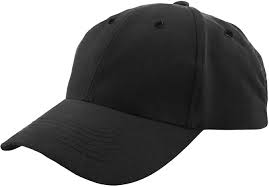
cap基本信息
读法:英 [kæp] 美 [kæp]
释义:
使用频率:★★★
星级词汇:★★★★
英英释义
Noun:
"there was a roof on salaries"
"they established a cap for prices"
中英词源
cap 帽子
来自词根cap, 头,词源同chief, captain。此处指头上戴的帽子。
- cap
- cap: [OE] Old English cæppa came from late Latin cappa ‘hood’, source also of English cape ‘cloak’. The late Latin word may well have come from Latin caput ‘head’, its underlying meaning thus being ‘head covering’.
=> cappuccino, chapel, chaperone, képi - cap (n.)
- late Old English cæppe "hood, head-covering, cape," from Late Latin cappa "a cape, hooded cloak" (source of Spanish capa, Old North French cape, French chape), possibly a shortened from capitulare "headdress," from Latin caput "head" (see head (n.)).
Meaning "women"s head covering" is early 13c. in English; extended to men late 14c. Figurative thinking cap is from 1839 (considering cap is 1650s). Of cap-like coverings on the ends of anything (such as hub-cap) from mid-15c. Meaning "contraceptive device" is first recorded 1916. That of "cap-shaped piece of copper lined with gunpowder and used to ignite a firearm" is c. 1826; extended to paper version used in toy pistols, 1872 (cap-pistol is from 1879).
The Late Latin word apparently originally meant "a woman"s head-covering," but the sense was transferred to "hood of a cloak," then to "cloak" itself, though the various senses co-existed. Old English took in two forms of the Late Latin word, one meaning "head-covering," the other "ecclesiastical dress" (see cape (n.1)). In most Romance languages, a diminutive of Late Latin cappa has become the usual word for "head-covering" (such as French chapeau). - cap (v.)
- c. 1400, "to put a cap on," from cap (n.). Meaning "cover as with s cap" is from c. 1600. Figurative sense of "go one better" is from 1580s. Related: Capped; capping.
词态变化
复数 caps;
第三人称单数 caps;
过去式 capped;
过去分词 capped;
现在分词 capping;
权威造句
- 1. He wears a cap to cover a spot of baldness.
- 他戴帽以遮斑秃。
来自柯林斯例句
- 2. He was wearing a cream silk shirt and a tartan golfing cap.
- 他身着一件米色丝绸衬衫,头戴一顶花格子高尔夫球帽。
来自柯林斯例句
- 3. He had offered the loan of his small villa at Cap Ferrat.
- 他愿意借出在费拉角的小别墅。
来自柯林斯例句
- 4. The only new cap is Llanelli"s 20-year-old left-wing Wayne Proctor.
- 唯一初次入选国家队的选手是来自拉内利的20岁左边锋韦恩·普罗克特。
来自柯林斯例句
- 5. Her cap fell off in the street and blew away.
- 她的帽子掉在大街上,被风吹走了。
来自柯林斯例句wWW.WENTIYi.COM
近反义词
n.
相似短语
单词分析
这两个名词均表示“帽子”之意。cap指无边的便帽,呀表示职业的帽子,如运动帽、军帽等。
hat指有边的帽子,尤指礼帽。
记忆方法
暂无,等待补充.
版权声明:问题易所有作品(图文、音视频)均来源网络,版权归原创作者所有,与本站立场无关,如不慎侵犯了你的权益,请联系我们告知,我们将做删除处理!