
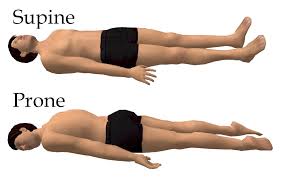
prone基本信息
读法:英 [prəʊn] 美 [pron]
释义:
使用频率:★★
星级词汇:★★★
英英释义
Adjective:
"failure-prone"
中英词源
prone 俯卧的,有倾向的,易于遭受的
来自拉丁语pronus,向前弯的,向前倾的,来自pro,向前,来自PIE*per,向前,穿过,词源同ford,forth.WwW.WEntiyI.CoM
- prone (adj.)
- c. 1400, "naturally inclined to something, apt, liable," from Latin pronus "bent forward, leaning forward, bent over," figuratively "inclined to, disposed," perhaps from adverbial form of pro- "before, for, instead of" (see pro-) + ending as in infernus, externus. Meaning "lying face-down" is first recorded 1570s. Literal and figurative senses both were in Latin; figurative is older in English. Related: Proneness.
词态变化
名词 proneness;
权威造句
- 1. Bob slid from his chair and lay prone on the floor.
- 鲍勃从椅子上滑下来,趴在了地板上。
来自柯林斯例句
- 2. As they shorten, cells become more prone to disease and death.
- 细胞变小后就会更容易感染疾病,也更容易死亡。
来自柯林斯例句
- 3. He"s prone to flit between subjects with amazing ease.
- 他往往会轻松自如地转换话题。
来自柯林斯例句
- 4. This leaves fertile soil unprotected and prone to erosion.
- 这会让肥沃的土壤暴露在外,使其容易受到侵蚀。
来自柯林斯例句
- 5. These plants are peculiarly prone to disease.
- 这些植物特别容易发生病变。
来自《权威词典》
近反义词
相似短语
单词分析
这些形容词均含“倾向于……的;易于……的”之意。liable指易于产生某种不利的结果,侧重偶然性,常表示警告或提醒。
apt口语中常用,指自然的或习惯的倾向,无特殊的褒贬意味,常指在一般情况下发生的事。
likely侧重可能性,用于指将来,预言希望或所不希望的结果。
prone多用于人,着重其本性,或倾向于某种错误、弱点或不良行为等。
subject指确实可以察觉的倾向,也就是总结出来的规律。
记忆方法
暂无,等待补充.
版权声明:问题易所有作品(图文、音视频)均来源网络,版权归原创作者所有,与本站立场无关,如不慎侵犯了你的权益,请联系我们告知,我们将做删除处理!