
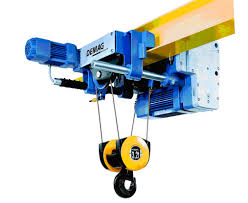
hoist基本信息
读法:英 [hɒɪst] 美 [hɔɪst]
释义:
使用频率:★
星级词汇:★★★
英英释义
Noun:
"hoist a sail"
中英词源
hoist 提升,拉起
词源不详。WWw.weNTIyi.com
- hoist
- hoist: [16] The history of hoist cannot be traced back very far. It is an alteration of a now defunct hoise (probably due to the mistaking of the past form hoised for a present form), which itself was an alteration of an earlier heise. This probably came from, or at least was related to, Dutch hijsen or Low German hissen ‘raise’. Heist ‘robbery, hold-up’ [20], which originated in the USA, is a variant of hoist, and perhaps represents a survival of heise.
=> heist - hoist (v.)
- 1540s, "to raise," earlier hoise (c. 1500), probably originally past tense of Middle English hysse (late 15c.), which is probably from Middle Dutch hyssen (Dutch hijsen) "to hoist," related to Low German hissen and Old Norse hissa upp "raise." A nautical word found in most European languages (French hisser, Italian issare, Spanish izar), but it is uncertain which had it first. Related: Hoisted; hoisting. In phrase hoist with one"s own petard, it is the past participle.
For "tis the sport, to have the engineer
Meaning "to lift and remove" was prevalent c. 1550-1750. As a noun, 1650s, from the verb.
Hoist with his own petar: and it shall go hard
But I will delve one yard below their mines,
And blow them at the moon: O "tis most sweet,
When in one line two crafts directly meet.
["Hamlet," Act III, Scene iv]
词态变化
第三人称单数 hoists;
过去式 hoisted;
过去分词 hoisted;
现在分词 hoisting;
权威造句
- 1. Materials are elevated to the top floor by the new hoist.
- 材料由那台新起重机吊到楼顶.
来自《简明英汉词典》
- 2. Hoist the flag to the top of the pole.
- 把旗升到旗杆顶端.
来自《现代汉英综合大词典》
- 3. By using a hoist the movers were able to sling the piano to the third floor.
- 搬运工人用吊车才把钢琴吊到3楼.
来自《现代汉英综合大词典》
- 4. The students were hoist by their own petards, however, as Granada decided to transmit the programme anyway.
- 不过,学生们聪明反被聪明误,格拉纳达最终还是决定要转播这个节目。
来自柯林斯例句
- 5. It was indeed a clever plan to entrap his opponent, but in the end he was hoist by his own petard.
- 设圈套陷害他的对手固然是个妙计, 可是到头来却是作法自毙.
来自《简明英汉词典》
近反义词
相似短语
单词分析
这些动词均有“升起,举起”之意。lift指用人力或机械力把某物升到较高的位置。
hoist多指用绳索、滑轮等机械把重物升起。
raise较正式用词,常可与lift换用,但强调把某物举起或抬起到应有的高度。常用比喻。
elevate较正式用词,指位置、高度的升高,多作比喻用,指职位、品德等的提高。
heave指需花大力气或借外力才能举起或抬起重物。
boost原义指从后面或下面推起或提高,现常用于指提高价格、振作精神等抽象概念。
记忆方法
1. 谐音“鹤翼死提、鹤易升提、鹤翼是塔、何以升塔”。
2. crane => hoist.
3. heave => hoist.
4. 谐音“何以升的、何以升他”------联想到电视剧《何以笙箫默》。
5. hoise => hoising (谐音“何以升”) => hoist.
6. 谐音“鹤亦是塔”------鹤也就是吊塔(crane).
版权声明:问题易所有作品(图文、音视频)均来源网络,版权归原创作者所有,与本站立场无关,如不慎侵犯了你的权益,请联系我们告知,我们将做删除处理!