
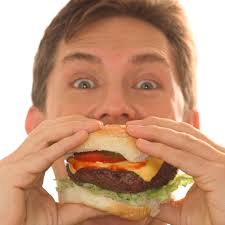
eat基本信息
读法:英 [iːt] 美 [it]
释义:
使用频率:★★★★
星级词汇:★★★★★WWW.weNtiYI.com
英英释义
Verb:
"What did you eat for dinner last night?"
"I didn"t eat yet, so I gladly accept your invitation"
"What do whales eat?"
"We exhausted our savings"
"They run through 20 bottles of wine a week"
"The steady dripping of water rusted the metal stopper in the sink"
中英词源
eat 吃
来自PIE*ed, 吃,词源同edible,comestible.
- eat
- eat: [OE] Eat is a very ancient and basic verb. It goes back to Indo-European *ed- ‘eat’ (distant ancestor of English tooth), which produced the basic word for ‘eat’ in most European languages, apart from French, Italian, Romanian, and the Celtic languages: Greek édein, for example, Latin edere (source of English comestible [15], from Latin comedere ‘eat up’, and of obese [17]), and Russian jest’. Its Germanic descendant was *etan (ultimate source of English etch), which produced German essen, Dutch eten, Swedish öta, and English eat (and also lies behind English fret).
=> comestible, etch, fret, obese, tooth - eat (v.)
- Old English etan (class V strong verb; past tense æt, past participle eten) "to consume food, devour, consume," from Proto-Germanic *etan (cognates: Old Frisian ita, Old Saxon etan, Middle Dutch eten, Dutch eten, Old High German ezzan, German essen, Old Norse eta, Gothic itan), from PIE root *ed- "to eat" (see edible).
Transferred sense of "corrode, wear away, consume, waste" is from 1550s. Meaning "to preoccupy, engross" (as in what"s eating you?) first recorded 1893. Slang sexual sense of "do cunnilingus on" is first recorded 1927. The slang phrase eat one"s words "retract, take back what one has uttered" is from 1570s; to eat one"s heart out is from 1590s; for eat one"s hat, see hat. Eat-in (adj.) in reference to kitchens is from 1955. To eat out "dine away from home" is from 1930.
词态变化
第三人称单数 eats;
过去式 ate;
过去分词 eaten;
现在分词 eating;
权威造句
- 1. It makes sense to eat a reasonably balanced diet when slimming.
- 在减肥过程中保持饮食的营养相对均衡是明智的。
来自柯林斯例句
- 2. Jovial ladies chivvy you into ordering more than you can eat!
- 热情的女招待会一再推荐,最后点的餐多到吃不下!
来自柯林斯例句
- 3. Because you"re not burning calories, everything you eat turns to fat.
- 由于没有消耗卡路里,你吃的所有东西都会变成脂肪。
来自柯林斯例句
- 4. "What would you like to eat?" — "Anything"ll do me, Eva."
- “你想吃什么?”——“我吃什么都行,伊娃。”
来自柯林斯例句
- 5. Try to eat at least four slices of bread a day.
- 每天尽量至少吃4片面包。
来自柯林斯例句
近反义词
相似短语
单词分析
这些动词均可表示“吃”之意。eat普通用词,使用广泛。既可用于人,也可用于动物。
dine正式用词,既可指一日三餐中的任何一餐,也可以指特殊的用餐。
have可与eat换用,但强调一次性的动作。
consume侧重痛痛快快地吃得一干二净,可用于人和动物。
devour指狼吞虎咽地吃,强调吃得既快又彻底。
gorge侧重指拼命地吃或塞,强调吃饱或吃得过量。
swallow主要指吃的整个过程的第二部分“咽”,并常指咀嚼得匆匆忙忙地吃。
记忆方法
暂无,等待补充.
版权声明:问题易所有作品(图文、音视频)均来源网络,版权归原创作者所有,与本站立场无关,如不慎侵犯了你的权益,请联系我们告知,我们将做删除处理!