
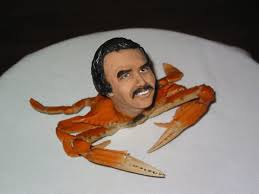
weird基本信息
读法:英 [wɪəd] 美 [wɪrd]
释义:
使用频率:★★
星级词汇:★★★★
英英释义
Noun:
"the three weird sisters"
"stumps...had uncanny shapes as of monstrous creatures"
"an unearthly light"
"he could hear the unearthly scream of some curlew piercing the din"
中英词源
weird 奇异的,怪异的WWW.weNTIYI.com
来自PIE*wer,弯,转,纺织,词源同versus,wreath。原指北欧神话中编织人命运之线的三女神,又称weird sisters,但这三姐妹在传说和文学作品中都被描绘成无比怪异的女巫形象,因此引申词义怪异的,奇怪的。
- weird
- weird: [OE] Originally, weird was a noun, meaning ‘fate, destiny’. Etymologically it denoted ‘that which comes about’: for it was derived from the same base which produced the now obsolete English verb worth ‘come to be, become’ (a relative of German werden ‘become’). It was used adjectivally in Middle English in the sense ‘having power to control fate’ (which is where the weird sisters who confronted Macbeth come in), but the modern sense ‘uncanny’ did not emerge until the early 19th century, inspired by, but taking semantic liberties with, Shakespeare’s use of the word.
=> verse - weird (adj.)
- c. 1400, "having power to control fate, from wierd (n.), from Old English wyrd "fate, chance, fortune; destiny; the Fates," literally "that which comes," from Proto-Germanic *wurthiz (cognates: Old Saxon wurd, Old High German wurt "fate," Old Norse urðr "fate, one of the three Norns"), from PIE *wert- "to turn, to wind," (cognates: German werden, Old English weorðan "to become"), from root *wer- (3) "to turn, bend" (see versus). For sense development from "turning" to "becoming," compare phrase turn into "become."
The sense "uncanny, supernatural" developed from Middle English use of weird sisters for the three fates or Norns (in Germanic mythology), the goddesses who controlled human destiny. They were portrayed as odd or frightening in appearance, as in "Macbeth" (and especially in 18th and 19th century productions of it), which led to the adjectival meaning "odd-looking, uncanny" (1815); "odd, strange, disturbingly different" (1820). Related: Weirdly; weirdness.
词态变化
比较级 weirder;
最高级 weirdest;
副词 weirdly;
名词 weirdness;
权威造句
- 1. It felt weird going back to Liverpool.
- 回到利物浦后,感觉很奇怪。
来自柯林斯例句
- 2. That first day was weird.
- 第一天有些怪异。
来自柯林斯例句
- 3. He"s different. He"s weird.
- 他与众不同,有点怪。
来自柯林斯例句
- 4. The altered landscape looks unnatural and weird.
- 改造后的景观看起来很不自然,极其怪异。
来自柯林斯例句
- 5. "She was weird." — "How so?"
- “她有些古怪。”——“为什么这么说呢?”
来自柯林斯例句
近反义词
相似短语
《哈利·波特》中著名的巫师歌唱组合。
单词分析
暂无,等待补充.
记忆方法
1. see wrench.
分析:weir——“伟人”的拼音首字母;d——“的”的拼音首字母。
记忆:伟人的举止都是很古怪的。
版权声明:问题易所有作品(图文、音视频)均来源网络,版权归原创作者所有,与本站立场无关,如不慎侵犯了你的权益,请联系我们告知,我们将做删除处理!