
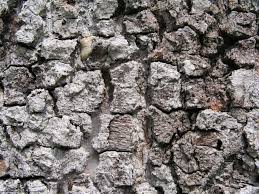
rough基本信息
读法:英 [rʌf] 美 [rʌf]
释义:
使用频率:★★★
星级词汇:★★★★
英英释义
Noun:
"rough ground"
"rough skin"
"rough blankets"
"his unsmooth face"
"rough manners"
"a rough guess"
"a ballpark estimate"
"they were having a rough time"
"the fierce thunders roar me their music"
"rough weather"
"rough seas"
"they were rough and determined fighting men"
"rough gemstones"
"a crude cabin of logs with bark still on them"
"rough carpentry"
"a few rough sketches"
"the nomad life is rough and hazardous"
"a harsh and unlovable old tyrant"
"a rough answer"
"they treated him rough"
中英词源
rough 粗糙的,粗鲁的,粗野的
来自古英语 ruh,粗糙的,粗布的,多毛的,来自 Proto-Germanic*rukhaz,碎裂的,来自 PIE*reue, 粉碎,碎开,敲击,词源同 ruin,rag.引申诸相关词义。
- rough
- rough: [OE] Rough goes back to a prehistoric West Germanic *rūkhwaz, which also produced German rauh and Dutch ruw. Despite the similarity of form and sense, ruffian is not related, and there is no evidence that ruffle is either.
- rough (n.)
- c. 1200, "broken ground," from rough (adj.). Meaning "a rowdy" is first attested 1837. Specific sense in golf is from 1901. Phrase in the rough "in an unfinished or unprocessed condition" (of timber, etc.) is from 1819.
- rough (adj.)
- Old English ruh "rough, coarse (of cloth); hairy, shaggy; untrimmed, uncultivated," from West Germanic *rukhwaz "shaggy, hairy, rough" (cognates: Middle Dutch ruuch, Dutch ruig, Old High German ruher, German rauh), from Proto-Germanic *rukhaz, from PIE *reue- (2) "to smash, knock down, tear out, dig up" (cognates: Sanskrit ruksah "rough;" Latin ruga "wrinkle," ruere "to rush, fall violently, collapse," ruina "a collapse;" Lithuanian raukas "wrinkle," rukti "to shrink").
The original -gh- sound was guttural, as in Scottish loch. Sense of "approximate" is first recorded c. 1600. Of places, "riotous, disorderly, characterized by violent action," 1863. Rough draft is from 1690s. Rough-and-ready is from 1810, originally military; rough-and-tumble (1810) is from a style of free-fighting. - rough (v.)
- late 15c., from rough (adj.). Related: Roughed; roughing. Phrase rough it "submit to hardships" (1768) is originally nautical:
To lie rough; to lie all night in one"s clothes: called also roughing it. Likewise to sleep on the bare deck of a ship, when the person is commonly advised to chuse the softest plank. [Grose, "Dictionary of the Vulgar Tongue," 1788]
To rough out "shape or plan approximately" is from 1770. To rough up "make rough" is from 1763. To rough (someone) up "beat up, jostle violently" is from 1868. The U.S. football penalty roughing was originally a term from boxing (1866).
词态变化
比较级 rougher;
最高级 roughest;
名词 roughness;
wwW.WentIyI.com
权威造句
- 1. The company I work for went through a rough patch.
- 我所在的公司经历了一段困难时期。
来自柯林斯例句
- 2. She passed the needle through the rough cloth, back and forth.
- 她一针一针地缝那块粗布。
来自柯林斯例句
- 3. A fishing vessel and a cargo ship collided in rough seas.
- 一艘捕鱼船和一艘货船在波涛汹涌的海上相撞了。
来自柯林斯例句
- 4. All women have a rough time in our society.
- 在我们的社会中,所有女性的日子都不好过。
来自柯林斯例句
- 5. His hands were rough and calloused, from years of karate practice.
- 由于多年练习空手道,他的双手粗糙不平,布满老茧。
来自柯林斯例句
近反义词
adj.
相似短语
单词分析
这些形容词均有“嘶哑的,沙哑的”之意。hoarse指嘶哑刺耳的声音,通常因高声喊叫后嗓子失音所致。
harsh一般多指刺耳难听的声音。
rough指粗哑难听的声音。
记忆方法
暂无,等待补充.
版权声明:问题易所有作品(图文、音视频)均来源网络,版权归原创作者所有,与本站立场无关,如不慎侵犯了你的权益,请联系我们告知,我们将做删除处理!