
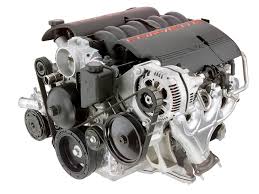
engine基本信息
读法:英 ["endʒɪn] 美 ["ɛndʒɪn]
释义:
使用频率:★★★★
星级词汇:★★★★
英英释义
Noun:
中英词源
engine 引擎,发动机
来自拉丁语ingenium, 来自词根gen,生育,词源同gene, generate.原指内生的天赋,技术,后用来指机械装置。
- engine
- engine: [13] The underlying etymological meaning of engine is ‘natural talent’. It comes ultimately from Latin ingenium (source also of English ingenious) which was formed from the base *gen- (as in genetic) denoting ‘reproduction’ and meant literally ‘skill or aptitude one was born with’. Abstract meanings related to this (such as ‘ingenuity’ and ‘genius’) have now died out in English (which acquired the word via Old French engin), but what remains is a more specific strand of meaning in the Latin word – ‘clever device, contrivance’.
Originally this was an abstract concept (often used in a bad sense ‘trick, cunning ruse’), but as early as about 1300 there is evidence of a more concrete application in English to a ‘mechanical device’. The word’s modern use for ‘machine producing motion’ originates in its early 19thcentury application to the steam engine. Engineer [14] comes via Old French engigneor from medieval Latin ingeniātōr, a derivative of the verb ingeniāre ‘contrive’, which in turn came from ingenium.
=> gin, ingenious - engine (n.)
- c. 1300, "mechanical device," especially one used in war; "manner of construction," also "skill, craft, innate ability; deceitfulness, trickery," from Old French engin "skill, wit, cleverness," also "trick, deceit, stratagem; war machine" (12c.), from Latin ingenium "inborn qualities, talent" (see ingenious), in Late Latin "a war engine, battering ram" (Tertullian, Isidore of Seville). Sense of "device that converts energy to mechanical power" is 18c.; in 19c. especially of steam engines.
词态变化
复数 engines;
权威造句
- 1. Water in the engine compartment is sucked away by a hose.
- 发动机舱里的水由一条软管抽走。
来自柯林斯例句
- 2. In 1941, the train would have been pulled by a steam engine.
- 1941年,火车本可以由蒸汽机车拉动。
来自柯林斯例句
- 3. Two of them got out to fiddle around with the engine.
- 其中两人下车鼓捣引擎。
来自柯林斯例句
- 4. Arnold stopped the engine and got out of the car.
- 阿诺德关掉发动机,下了车。
来自柯林斯例句
- 5. The GM diesel engine shunted the coaches to Platform 4.
- 通用柴油动力火车头将车厢转轨到了4号月台。
来自柯林斯例句
近反义词
相似短语
单词分析
这些名词均有“机器,装置”之意。machine普通用词,泛指一切机器。
machinery指机器的总称。
mechanism指运行系统,简单的机械装置。
apparatus指具有特殊用途的装置。
engine既可泛指或大或小、简单或复杂的机械、机器,又可指产生动力的发动机或引擎。
motor通常指小型或轻型马达、发动机。
记忆方法
1. 音译“引擎”。
版权声明:问题易所有作品(图文、音视频)均来源网络,版权归原创作者所有,与本站立场无关,如不慎侵犯了你的权益,请联系我们告知,我们将做删除处理!