
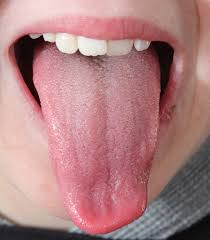
tongue基本信息
读法:英 [tʌŋ] 美 [tʌŋ]
释义:
使用频率:★★
星级词汇:★★★★WWW.WeNtiyi.COm
英英释义
Noun:
"rifles exploded quick knives of fire into the dark"
"she has a glib tongue"
中英词源
tongue 舌头,语言
来自古英语 tunge,舌头,来自 Proto-Germanic*tungon,舌头,来自 PIE*tnghwa,舌头,词源同 language,lingual.字母 d,l 音变,比较 tear,lachrymose.引申词义语言。
- tongue
- tongue: [OE] Tongue is a general Germanic word, with relatives in German zunge, Dutch tong, Swedish tonga, and Danish tonge. These all evolved from a prehistoric Germanic *tunggōn, whose ultimate ancestor was Indo- European *dnghwā-. This also produced Latin lingua ‘tongue, language’ (source of English language, linguistic, etc), Welsh tafod ‘tongue’, Russian jazyk ‘tongue’, etc.
=> language, linguistic - tongue (n.)
- Old English tunge "tongue, organ of speech; speech, a people"s language," from Proto-Germanic *tungon (cognates: Old Saxon and Old Norse tunga, Old Frisian tunge, Middle Dutch tonghe, Dutch tong, Old High German zunga, German Zunge, Gothic tuggo), from PIE *dnghwa- (cognates: Latin lingua "tongue, speech, language," from Old Latin dingua; Old Irish tenge, Welsh tafod, Lithuanian liezuvis, Old Church Slavonic jezyku).
For substitution of -o- for -u-, see come. The spelling of the ending of the word apparently is a 14c. attempt to indicate proper pronunciation, but the result is "neither etymological nor phonetic, and is only in a very small degree historical" [OED]. In the "knowledge of a foreign language" sense in the Pentecostal miracle, from 1520s. Tongue-tied is first recorded 1520s. To hold (one"s) tongue "refrain from speaking" was in Old English. Johnson has tonguepad "A great talker." - tongue (v.)
- "to touch with the tongue, lick," 1680s, from tongue (n.). Earlier as a verb it meant "drive out by order or reproach" (late 14c.). Related: Tongued; tonguing.
词态变化
复数 tongues;
权威造句
- 1. Teddy clucked his tongue like a disapproving English matron.
- 特迪咂了咂舌头,活像个不以为然的英国女舍监。
来自柯林斯例句
- 2. He stuck out his tongue and flared his nostrils.
- 他伸出舌头,鼻翼扇动着。
来自柯林斯例句
- 3. I walked over to the mirror and stuck my tongue out.
- 我走到镜子前面伸出舌头。
来自柯林斯例句
- 4. Tongue lolling, the dog came lolloping back from the forest.
- 那只狗伸着舌头从树林里蹒跚地跑回来。
来自柯林斯例句
- 5. She made a face and stuck out her tongue at him.
- 她做了个鬼脸,向他吐了吐舌头。
来自柯林斯例句
近反义词
相似短语
单词分析
这些名词均含“语言”之意。language普通用词,含义广。指人的语言或文字,或动物的语言。既可指口头或书面语言,也可指手势语等。
speech特指人的口语,也指正式的讲话。
tongue书面用词,指人的语言,亦指人的母语。
dialect指一种语言中,某一地方所特有的语言形式,即方言。
idiom指一种语言中一般由几个词结合成短语或句子的特殊表达方式,即惯用语、成语。也指方言。
slang指俚语。
记忆方法
tongue,n,舌头,音“烫”。烫了舌头,烫了舌头都是热汤惹的祸。
版权声明:问题易所有作品(图文、音视频)均来源网络,版权归原创作者所有,与本站立场无关,如不慎侵犯了你的权益,请联系我们告知,我们将做删除处理!