
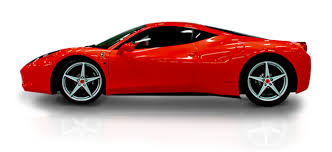
car基本信息
读法:英 [kɑː] 美 [kɑr]
释义:
使用频率:★★★★★
星级词汇:★★★★★
英英释义
Noun:
中英词源
car 汽车
来自词根cur, 跑,词源同current, chariot。
- car
- car: [14] Car seems first to have been used as an independent term for a road vehicle powered by an internal-combustion engine in 1896, in the publication Farman’s Auto-Cars (the compounds autocar and motorcar are a year earlier). But the word is of course of far longer standing as a general term for a wheeled conveyance. It comes ultimately from an unrecorded Celtic *karros, via Latin carrus ‘two-wheeled wagon’, Vulgar Latin *carra, and Anglo-Norman carre or car; it is probably linked with current and course, giving an underlying meaning ‘move swiftly’.
English words derived at some point or other from the same source include career, carriage, carry, charge, and chariot.
=> career, caricature, carriage, carry, charge, chariot, course, current - car (n.)
- c. 1300, "wheeled vehicle," from Anglo-French carre, Old North French carre, from Vulgar Latin *carra, related to Latin carrum, carrus (plural carra), originally "two-wheeled Celtic war chariot," from Gaulish karros, a Celtic word (compare Old Irish and Welsh carr "cart, wagon," Breton karr "chariot"), from PIE *krsos, from root *kers- "to run" (see current (adj.)).
"From 16th to 19th c. chiefly poetic, with associations of dignity, solemnity, or splendour ..." [OED]. Used in U.S. by 1826 of railway freight carriages and of passenger coaches on a railway by 1830; by 1862 of a streetcar or tramway car. Extension to "automobile" is by 1896, but from 1831 to the first decade of 20c. the cars meant "railroad train." Car bomb first 1972, in reference to Northern Ireland. The Latin word also is the source of Italian and Spanish carro, French char.
词态变化
复数 cars;
权威造句
- 1. He slewed the car against the side of the building.
- 他的车滑到了大楼的一侧,抵住了。
来自柯林斯例句
- 2. If you build more plastics into cars, the car lasts longer.
- 如果汽车采用更多塑料元件,寿命会更长一些。
来自柯林斯例句WwW.wENtIYI.coM
- 3. Their first car rolls off the production line on December 16.
- 他们的第一辆车于12月16日下线。
来自柯林斯例句
- 4. Driving a boat is not the same as driving a car.
- 驾船和开车不是一回事。
来自柯林斯例句
- 5. Check the oil at regular intervals, and have the car serviced regularly.
- 定期检查汽油,并对车辆进行定期维护。
来自柯林斯例句
近反义词
相似短语
单词分析
这些名词都与“车”有关。car多指乘坐人的小汽车或轿车。
bus一般指公共汽车或大型客车。
truck与lorry同义,都指卡车或货车,前者为美国用词,后者用于英国。
coach原义指四轮马车,现指轿式汽车,长途公共汽车,还可指火车设有卧铺的车厢。
automobile是汽车的总称。
jeep吉普车,指一种小型轻便、适合在崎岖路面或野外使用的车子。
carriage指马车,两匹或两匹以上马拉的四轮马。
waggon指四轮运货马车或牛车,也指铁路的无盖货车。
记忆方法
1. car 原被音译为“卡、卡车”,后来卡车含义缩小为专指“载货汽车”,于是就变成了 truck 的含义, 而 car 则用以泛指各种汽车。
版权声明:问题易所有作品(图文、音视频)均来源网络,版权归原创作者所有,与本站立场无关,如不慎侵犯了你的权益,请联系我们告知,我们将做删除处理!