
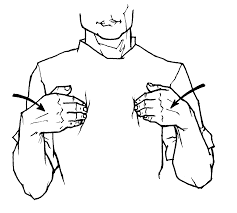
have基本信息
读法:英 [hæv] 美 [hæv]
释义:
使用频率:★★★★★
星级词汇:★★★★★
英英释义
Noun:
"He has got two beautiful daughters"
"She holds a Master"s degree from Harvard"
"experience vertigo"
"get nauseous"
"receive injuries"
"have a feeling"
"How many cars does she have?"
"This let me in for a big surprise"
"He got a girl into trouble"
"I don"t take sugar in my coffee"
"have an assistant"
"have a lover"
"have, throw, or make a party"
"give a course"
"I don"t have any money left"
"They have two more years before they retire"
"Now we have a fine mess"
"My children finally got me to buy a computer"
"My wife made me buy a new sofa"
"I won"t have this dog in my house!"
"Please accept my present"
"receive a gift"
"receive letters from the front"
"He had an insulin shock after eating three candy bars"
"She got a bruise on her leg"
"He got his arm broken in the scuffle"
"The Brazilian team got 4 goals"
"She made 29 points that day"
中英词源
have 有,拥有
来自古英语habban,拥有,占有,来自Proto-Germanic*haben,来自PIE*kap,抓住,词源同capable,heavy.
- have
- have: [OE] Have and its Germanic cousins, German haben, Dutch hebben, Swedish ha, and Danish have, come from a prehistoric Germanic ancestor *khabēn. This was probably a product of Indo-European *kap-, which was also the source of English heave and Latin capere ‘seize’ (whence English capable, capture, etc). In all the Germanic languages it shares the function of denoting ‘possession’ with that of forming the perfect tense. (It appears, incidentally, to have no etymological connection with the superficially similar Latin habēre ‘have’.)
=> capable, captive, capture - have (v.)
- Old English habban "to own, possess; be subject to, experience," from Proto-Germanic *haben- (cognates: Old Norse hafa, Old Saxon hebbjan, Old Frisian habba, German haben, Gothic haban "to have"), from PIE *kap- "to grasp" (see capable). Not related to Latin habere, despite similarity in form and sense; the Latin cognate is capere "seize.
Sense of "possess, have at one"s disposal" (I have a book) is a shift from older languages, where the thing possessed was made the subject and the possessor took the dative case (as in Latin est mihi liber "I have a book," literally "there is to me a book"). Used as an auxiliary in Old English, too (especially to form present perfect tense); the word has taken on more functions over time; Modern English he had better would have been Old English him (dative) wære betere.
To have to for "must" (1570s) is from sense of "possess as a duty or thing to be done" (Old English). Phrase have a nice day as a salutation after a commercial transaction attested by 1970, American English. Phrase have (noun), will (verb) is from 1954, originally from comedian Bob Hope, in the form Have tux, will travel; Hope described this as typical of vaudevillians" ads in "Variety," indicating a willingness and readiness to perform anywhere.
词态变化
第三人称单数 has;
过去式 had;
过去分词 had;
现在分词 having;
Www.WENTiyi.cOm
权威造句
- 1. The verb should be in the plural, e . g . " have " in " they have " .
- 这个动词应用复数形式, 如theyhave中的 have.
来自《简明英汉词典》
- 2. Sometimes things have to fall apart to make way for better things.
- 有时候要到达谷底,才会慢慢变好。
来自金山词霸 每日一句
- 3. You have to do everything you can. You have to work your hardest. And if you do, if you stay positive, then you have a shot at a silver lining.
- 你必须全力以赴,最大限度地去努力。如果你这么做,并且保持乐观,你就会看见乌云背后的幸福线。
来自电影《乌云背后的幸福线》
- 4. Remember, happiness doesn"t depend upon who you are or what you have; it depends solely upon what you think.--Dale Carnegie
- 请记住,幸福不在于你是谁或者你拥有什么,而仅仅取决于你的心态!
来自金山词霸 每日一句
- 5. They have maintained their optimism in the face of desolating subjugation.
- 面对遭征服的悲惨命运,他们保持了乐观的态度。
来自柯林斯例句
近反义词
相似短语
单词分析
这些动词均可表示“吃”之意。eat普通用词,使用广泛。既可用于人,也可用于动物。
dine正式用词,既可指一日三餐中的任何一餐,也可以指特殊的用餐。
have可与eat换用,但强调一次性的动作。
consume侧重痛痛快快地吃得一干二净,可用于人和动物。
devour指狼吞虎咽地吃,强调吃得既快又彻底。
gorge侧重指拼命地吃或塞,强调吃饱或吃得过量。
swallow主要指吃的整个过程的第二部分“咽”,并常指咀嚼得匆匆忙忙地吃。 这些动词均有“有,具有,持有”之意。
have最常用词,可指任何情况下的具有,无论是物质的或精神的。
hold指拥有并保持财产及持有见解等,暗示不让别人拿走或占有。
own不及本组的possess正式,多指所属关系,强调所有权,不管所属物是否在物主手中。
possess较正式,指拥有或占有并能加以控制与支配,强调其归属;也指具有某种品质、才能、特点或性能等。
keep指长时间地保有,保存某物,防止别人占去,强调安全和感情上的依附。
enjoy指享有某种权利或长处,带有欣赏或喜爱的情感。 这些动词均有“使,使得”之意。
make普通用词,指强迫或劝诱他人做某事。
cause正式用词,侧重指使某事发生的原因。
get侧重指劝某人做某事,或指使某事物处于某种状态或产生某种结果。
have普通用词,指让某人做某事。
render书面用词,多指因外界因素而使某人或某物处于某种状态。
记忆方法
暂无,等待补充.
版权声明:问题易所有作品(图文、音视频)均来源网络,版权归原创作者所有,与本站立场无关,如不慎侵犯了你的权益,请联系我们告知,我们将做删除处理!