
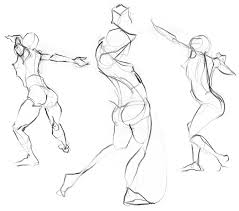
figure基本信息
读法:英 ["fɪgə] 美 ["fɪɡjɚ]
释义:
使用频率:★★★★★
星级词汇:★★★★★
英英释义
Noun:
"he has a strong physique"
"the spirit is willing but the flesh is weak"
"she is an important figure in modern music"
"a heroic figure"
"the number of parameters is small"
"the figure was about a thousand"
"How do the elections figure in the current pattern of internal politics?"
"I can see what will happen"
"I can see a risk in this strategy"
中英词源
figure 数字,雕像,身段
来自PIE*dheigh, 揉捏,捏造,形成,词源同dough, fiction. 由揉捏引申多种词义。
- figure
- figure: [13] Figure comes via Old French from Latin figūra ‘form, shape, figure’, a derivative of the same base (*fig-) as produced fingere ‘make, shape’ (whence English effigy, faint, feign, and fiction). Many of the technical Latin uses of the word, including ‘geometric figure’, are direct translations of Greek skhéma, which also meant literally ‘form, shape’, but the sense ‘numerical symbol’ is a later development. Also from the base *fig- was derived Latin figmentum ‘something created or invented’, from which English gets figment [15].
=> effigy, faint, feign, fiction, figment - figure (v.)
- late 14c., "to represent" (in painting or sculpture), "make a likeness," also "to have a certain shape or appearance," from Old French figurer, from Latin figurare (see figure (n.)). Meaning "to shape into" is c. 1400; from mid-15c. as "to cover or adorn with figures." Meaning "to picture in the mind" is from c. 1600. Intransitive meaning "make an appearance, make a figure, show oneself" is from c. 1600. Meaning "work out a sum" (by means of arithmetical figures) is from 1833, American English; hence colloquial sense "to calculate upon, expect" (1837). Related: Figured; figuring.
- figure (n.)
- c. 1200, "numeral;" mid-13c., "visible appearance of a person;" late 14c., "visible and tangible form of anything," from Old French figure "shape, body; form of a word; figure of speech; symbol, allegory" (10c), from Latin figura "a shape, form, figure; quality, kind, style; figure of speech," in Late Latin "a sketch, drawing," from PIE *dheigh- "to form, build" (see dough).
Philosophical and scientific senses are from use of Latin figura to translate Greek skhema. Meaning "lines forming a shape" is from mid-14c. From mid-14c. as "human body as represented by art;" late 15c. as "a body, the human form as a whole." The rhetorical use of figure, "peculiar use of words giving meaning different from usual," dates to late 14c.; hence figure of speech (by 1704). Figure-skating is from 1835. Figure eight as a shape was originally figure of eight (c. 1600). From late 14c. as "a cut or diagram inserted in text."
词态变化
复数 figures;
第三人称单数 figures;
过去式 figured;
过去分词 figured;
现在分词 figuring;
权威造句
- 1. They had almost reached the boat when a figure shot past them.
- 他们差不多快到船边时,一个人影从他们旁边飞奔而过。
来自柯林斯例句
- 2. Alistair saw the dim figure of Rose in the chair.
- 阿利斯泰尔看见了坐在椅子里的罗丝的模糊身影。
来自柯林斯例句
- 3. I don"t have to be a detective to figure that out.
- 我不是侦探也想得出。
来自柯林斯例句
- 4. This figure has long been held to possess miraculous power.
- 这个数字长时间以来都被认为拥有神奇的力量。
来自柯林斯例句
- 5. She retains her slim figure and is free of wrinkles.
- 她保持着苗条的身材,脸上也没有皱纹。
来自柯林斯例句WWW.wENTiyi.COM
近反义词
n.
相似短语
单词分析
暂无,等待补充.
记忆方法
1. fig- + -ure.
2. => visible form or appearance of a person.
3. => shape, body, form, figure; symbol, allegory.
4. => "represent" (in a picture), "to picture in the mind", "to shape into", "to make an appearance".
版权声明:问题易所有作品(图文、音视频)均来源网络,版权归原创作者所有,与本站立场无关,如不慎侵犯了你的权益,请联系我们告知,我们将做删除处理!