
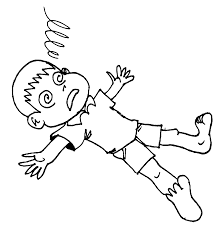
faint基本信息
读法:英 [feɪnt] 美 [fent]
释义:
使用频率:★★
星级词汇:★★★★
英英释义
Noun:
"the wan sun cast faint shadows"
"the faint light of a distant candle"
"weak colors"
"a faint hissing sound"
"a faint aroma"
"a weak pulse"
"only a faint recollection"
"shadowy figures in the gloom"
"saw a vague outline of a building through the fog"
"a few wispy memories of childhood"
"faint resistance"
"feeble efforts"
"a feeble voice"
"was sick and faint from hunger"
"felt light in the head"
"a swooning fit"
"light-headed with wine"
"light-headed from lack of sleep"
"haven"t the faintest idea"
中英词源
faint 微弱的,虚弱的wWW.WENTIYi.COm
来自古法语feint, 来自feign, 假装,虚构,欺骗。引申词义底气不足的,微弱的,虚弱的。
- faint
- faint: [13] Faint comes from Old French faint, which was originally the past participle of the verb faindre, feindre ‘pretend, shirk’ (whence English feign). This meant ‘pretended, simulated’, ‘lazy, shirking’, and ‘cowardly’, and all these senses were originally taken over by English. None now survives except the last, in the phrase faint heart, but in their place the underlying notion of ‘feebleness’ has produced ‘not bright, dim’ and ‘weak and dizzy’. The verb, based on the second of these, developed in the late 14th century. The variant spelling feint, used of printed lines, was introduced in the mid 19th century.
=> feign - faint (adj.)
- c. 1300, "enfeebled; wearied, exhausted," from Old French faint, feint "false, deceitful; sham, artificial; weak, faint, lazy, indolent, cowardly," past participle of feindre "hesitate, falter, be indolent, show weakness, avoid one"s duty by pretending" (see feign). Also from c. 1300 as "deceitful; unreliable; false." Meaning "wanting in spirit or courage, cowardly" (a sense now mostly encountered in faint-hearted) is from early 14c. From early 15c. of actions, functions, colors, etc., "weak, feeble, poor." Meaning "producing a feeble impression upon the senses" is from 1650s.
- faint (v.)
- c. 1300, "grow weak, become enfeebled," also "lack courage or spirit, be faint-hearted," and "to pretend, feign;" from faint (adj.). Sense of "swoon, lose consciousness" is from c. 1400. Also used in Middle English of the fading of colors, flowers, etc. Related: Fainted; fainting. For Chaucer and Shakespeare, also a transitive verb ("It faints me").
- faint (n.)
- c. 1300, "faintness, faint-heartedness," from faint (adj.). From 1808 as "a swoon."
词态变化
复数 faints;
第三人称单数 faints;
过去式 fainted;
过去分词 fainted;
现在分词 fainting;
比较级 fainter;
最高级 faintest;
副词 faintly;
权威造句
- 1. It"s a film about a serial killer and not for the faint-hearted.
- 这部电影是讲一个连环杀手的,不适合胆小的人看。
来自柯林斯例句
- 2. Their instruments detected very faint radiowaves at a frequency of 3 kilohertz.
- 他们的仪器检测到一个3千赫的微弱无线电波。
来自柯林斯例句
- 3. Don"t be faint-hearted when things seem a bit slow or boring.
- 事情变得有点沉闷无聊的时候,不要胆怯。
来自柯林斯例句
- 4. A faint smile crossed the Monsignor"s face and faded quickly.
- 一丝敷衍的微笑从那位大人脸上掠过,很快就消失了。
来自柯林斯例句
- 5. A faint smile of reminiscence appeared on her face..
- 一丝怀旧的微笑浮现在她的脸上。
来自柯林斯例句
近反义词
相似短语
单词分析
这些形容词均含“不明确的,模糊的”之意。vague多指因语言不确切,太笼统或因构思含糊、不完善而造成模糊难解。
dim侧重指或因光线暗淡,或因年代久远、身体欠佳等因素而产生视觉或察觉方面的困难。
indefinite指无明确定义或限定,重点或总体轮廓不明确。
obscure语气最强,指晦涩难懂。
ambiguous指文章或讲话中,意思可能有多种理解,令人捉摸不定。
faint指对某事物印象不深,或指声音微弱或希望的渺茫等。
记忆方法
1. fingere (form root fig-) => Old French variant form feindre (pp. feint) "pretend, imitate, feign".
2. => feint: pretend, imitate, feign.
3. feint => faint (元音音变) "show weakness to avoid one"s duty by pretending".
4. 该词的本意是假装虚弱、脆弱来逃避责任、逃避各种事情,后来的词义演变却因假变真,变成了真正的“虚弱、脆弱,微弱,懦弱”,甚至是“昏厥,昏倒”。
5. 谐音“昏(方言化拼音: fen)特、昏倒”。
6. 区分:faint, feint: pain => faint => 因为太痛了,以至于痛昏过去了。
版权声明:问题易所有作品(图文、音视频)均来源网络,版权归原创作者所有,与本站立场无关,如不慎侵犯了你的权益,请联系我们告知,我们将做删除处理!