
relish基本信息
读法:英 ["relɪʃ] 美 ["rɛlɪʃ]
释义:
使用频率:★★wwW.WentiyI.cOM
星级词汇:★★★
英英释义
Noun:
中英词源
relish 调料,佐料,享受,喜欢
来自古法语 relaisser,留下,留在后面,来自拉丁语 relaxare,松开,松手,来自 re-,向后,离 开,laxare,松开,词源同 lax,relax,release.拼写受-ish 影响俗化。后引申词义味道,回味,后 用于指调料,佐料,并引申动词词义享受,喜欢。
- relish
- relish: [16] Ultimately, relax [15], release [13], and relish are all the same word. They go back to Latin relaxāre ‘loosen’, a compound verb formed from the prefix re- ‘back’ and laxāre, a derivative of laxus ‘loose’ (from which English gets languish [13] and lax [14]). Relax was acquired from the Latin verb itself, while release came via Old French relaisser (the notion of ‘loosening’ having led on to ‘letting go’). Relish came from Old French relais, a noun derived from relaisser; the sense ‘taste’ came from the idea of what is ‘released’ or ‘left behind’ after the food or drink has been swallowed.
=> languish, lax, relax, release - relish (v.)
- 1560s "give flavor to" (implied in relished), from relish (n.). The transferred sense of "to enjoy, take pleasure in" is from 1590s. Related: Relishing.
- relish (n.)
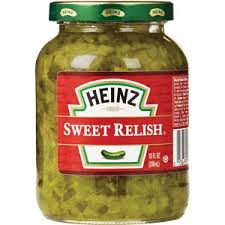
- 1520s, "taste, flavor," alteration of reles "scent, taste, aftertaste," (c. 1300), from Old French relais, reles, "something remaining, that which is left behind," from relaisser "to leave behind" (see release (v.)). Meaning "enjoyment of the taste or flavor of something" is attested from 1640s. Sense of "condiment, that which imparts flavor" is first recorded 1797. The stuff you put on hot dogs is a sweet green pickle relish.
词态变化
复数 relishes;
第三人称单数 relishes;
过去式 relished;
过去分词 relished;
现在分词 relishing;
权威造句
- 1. She folded up her letter, licking the envelope flap with relish.
- 她把信折好,用力舔了舔信封的折口。
来自柯林斯例句
- 2. The three men ate with relish.
- 这3个人吃得津津有味。
来自柯林斯例句
- 3. She retailed the neighbours" activities with relish.
- 她饶有兴趣地对邻居们的活动说三道四。
来自《权威词典》
- 4. I have no relish for pop music.
- 我对流行音乐不感兴趣.
来自《简明英汉词典》
- 5. Spices give relish to a dish.
- 调味香料使菜肴味美.
来自《现代汉英综合大词典》
近反义词
相似短语
单词分析
暂无,等待补充.
记忆方法
1. Ultimately, relax, release, and relish are all the same word.
2. The sense "taste" came from the idea of what is "released" or "left behind" after the food or drink has been swallowed.
3. release => relish.
4. 以及与 gusto 类同的引申原理及其引申义。
版权声明:问题易所有作品(图文、音视频)均来源网络,版权归原创作者所有,与本站立场无关,如不慎侵犯了你的权益,请联系我们告知,我们将做删除处理!