
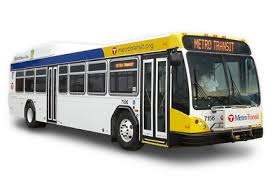
bus基本信息
读法:英 [bʌs] 美 [bʌs]
释义:
使用频率:★★★
星级词汇:★★★★★
英英释义
Noun:
中英词源
bus 公共汽车wWw.wEnTiYI.cOm
截取自拉丁词omnibus, 为前缀omni- 的属格复数。原指一种四轮公共马车。
- bus
- bus: [19] Bus is, of course, short for omnibus. The first person on record as using it was the British writer Harriet Martineau, who spelled it buss: ‘if the station offers me a place in the buss’, Weal and woe in Garveloch 1832. Omnibus itself was borrowed from French, where it was first applied in 1828 to a voiture omnibus, literally ‘carriage for everyone’ (omnibus is the dative plural of Latin omnis ‘all’).
- bus (n.)
- 1832, abbreviation of omnibus (q.v.). The modern English noun is nothing but a Latin dative plural ending. To miss the bus, in the figurative sense of "lose an opportunity," is from 1901, Australian English (OED has a figurative miss the omnibus from 1886). Busman"s holiday "leisure time spent doing what one does for a living" (1893) is probably a reference to London bus drivers riding the buses on their days off.
- bus (v.)
- 1838, "to travel by omnibus," from bus (n.). Transitive meaning "transport students to integrate schools" is from 1961, American English. Meaning "clear tables in a restaurant" is first attested 1913, probably from the four-wheeled cart used to carry dishes. Related: Bused; busing.
词态变化
复数 buses;
第三人称单数 busses; buses;
过去式 bussed;
过去分词 bused;
现在分词 bussing;
权威造句
- 1. The bus is said to have over-turned and fallen into a ravine.
- 据说巴士发生翻车,跌进了峡谷。
来自柯林斯例句
- 2. I never go on the bus into the town.
- 我从不坐公共汽车去城里。
来自柯林斯例句
- 3. I saw Louise walking slowly to the bus stop.
- 我看见路易丝慢慢地走向公共汽车站。
来自柯林斯例句
- 4. The bus is a 45-seater with air-con and videos.
- 这辆大巴能坐45人,内有空调和影像设备。
来自柯林斯例句
- 5. For a local bus timetable, contact Dyfed County Council.
- 若要当地公共汽车时刻表,请与达费德郡政务委员会联系。
来自柯林斯例句
近反义词
相似短语
单词分析
这些名词都与“车”有关。car多指乘坐人的小汽车或轿车。
bus一般指公共汽车或大型客车。
truck与lorry同义,都指卡车或货车,前者为美国用词,后者用于英国。
coach原义指四轮马车,现指轿式汽车,长途公共汽车,还可指火车设有卧铺的车厢。
automobile是汽车的总称。
jeep吉普车,指一种小型轻便、适合在崎岖路面或野外使用的车子。
carriage指马车,两匹或两匹以上马拉的四轮马。
waggon指四轮运货马车或牛车,也指铁路的无盖货车。
记忆方法
1. 音译“巴士”。大巴、中巴、小巴。
版权声明:问题易所有作品(图文、音视频)均来源网络,版权归原创作者所有,与本站立场无关,如不慎侵犯了你的权益,请联系我们告知,我们将做删除处理!