
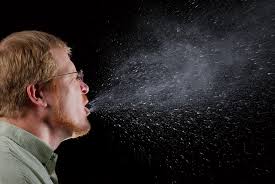
sneeze基本信息
读法:英 [sniːz] 美 [sniz]
释义:
使用频率:★
星级词汇:★★★
英英释义
Noun:
中英词源
sneeze 打喷嚏
来自辅音丛 sn-,鼻子,闻,嗅,发鼻音,比较 sneer,snore,snicker,sniff,snuff.
- sneeze
- sneeze: [15] The Old English word for ‘sneeze’ was fnēsan, a distant relative of Greek pneuma ‘breath’ (source of English pneumatic). This survived into Middle English as fnese. The letters f and s were very similar in medieval script, so it could have played a part in the late 15th-century emergence of sneeze. Fnese had largely died out by the early 15th century, and it could well be that when printing got into full swing in the 1490s, with many old manuscript texts being reissued in printed form, printers unfamiliar with the old word fnese assumed it had the much more common initial consonant cluster sn-.
Another factor in the equation is the now obsolete verb neeze ‘sneeze’. This was borrowed in the 14th century from Old Norse hnósja, a descendant of the Indo-European base *ksneu-, which also produced German niesen, Dutch niezen, Swedish nysa, Danish nyse, and Russian chikhat’ ‘sneeze’. It bridged the gap between fnese and sneeze, and the new sneeze no doubt struck people as a more expressive alternative to the old neeze. (Both fnese and neeze go back ultimately to an imitation of the sound of breathing, blowing, or sneezing.)
=> pneumatic - sneeze (v.)
- late 15c., from Old English fneosan "to snort, sneeze," from Proto-Germanic *fneusanan (compare: Middle Dutch fniesen, Dutch fniezen "to sneeze;" Old Norse fnysa "to snort;" Old Norse hnjosa, Swedish nysa "to sneeze;" Old High German niosan, German niesen "to sneeze"), from Proto-Germanic base *fneu-s- "sneeze," of imitative origin, as is PIE *pneu- "to breathe" (source of Greek pnein "to breathe").
Other imitative words for it, perhaps in various ways related to each other, include Latin sternuere (source of Italian starnutare, French éternuer, Spanish estornudar), Breton strevia, Sanskrit ksu-, Lithuanian čiaudeti, Polish kichać, Russian čichat".
English forms in sn- might be due to a misreading of the uncommon fn- (represented in only eight words in Clark Hall, mostly in words to do with breathing), or from Norse influence. OED suggests Middle English fnese had been reduced to simple nese by early 15c., and sneeze is a "strengthened form" of this, "assisted by its phonetic appropriateness." Related: Sneezed; sneezing. To sneeze at "to regard as of little value" (usually with negative) is attested from 1806. - sneeze (n.)
- "act of sneezing," 1640s, from sneeze (v.).
词态变化
第三人称单数 sneezes;
过去式 sneezed;
过去分词 sneezed;
现在分词 sneezing;
权威造句
- 1. Ellen"s face wrinkles as if she is about to sneeze.
- 艾伦的脸皱了起来,好像要打喷嚏。
来自柯林斯例句wwW.wentiyI.COm
- 2. When we sneeze, our eyes close.
- 打喷嚏的时候眼睛会闭上。
来自柯林斯例句
- 3. What exactly happens when we sneeze?
- 我们打喷嚏究竟是怎么回事?
来自柯林斯例句
- 4. Put a handkerchief over your mouth when you sneeze.
- 打喷嚏时用手帕捂住嘴.
来自《现代汉英综合大词典》
- 5. Use a handkerchief when you sneeze.
- 打喷嚏时应该用手绢.
来自《简明英汉词典》
近反义词
相似短语
单词分析
暂无,等待补充.
记忆方法
1. nose => sneeze.
版权声明:问题易所有作品(图文、音视频)均来源网络,版权归原创作者所有,与本站立场无关,如不慎侵犯了你的权益,请联系我们告知,我们将做删除处理!