
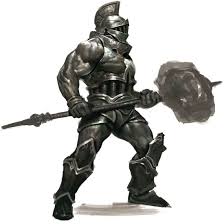
brute基本信息
读法:英 [bruːt] 美 [brut]
释义:
使用频率:★
星级词汇:★★
英英释义
Noun:
"a bestial nature"
"brute force"
"a dull and brutish man"
"bestial treatment of prisoners"
中英词源
brute 野蛮的
来自词根bar, 重,见barometer, 气压计,gravity, 重力。此处词义由重到呆滞,愚蠢,野兽,最后指野兽般的,野蛮的。
- brute
- brute: [15] The primordial meaning of brute appears to be ‘heavy’. It comes from Latin brūtus ‘heavy’, and it has been speculated that it is related to Latin grāvis ‘heavy’ (from which English gets grave, gravity, and grieve). In Latin the sense ‘heavy’ had already progressed to ‘stupid’, and it later developed to ‘of the lower animals’. It was with this meaning that the word reached English via French. Connotations of ‘cruelty’ do not begin to appear until the 17th century. Brut meaning ‘very dry’ in relation to champagne is a late 19th-century borrowing of the French adjectival form brut, literally ‘rough’.
- brute (adj.)
- early 15c., "of or belonging to animals," from Middle French brut "coarse, brutal, raw, crude," from Latin brutus "heavy, dull, stupid," an Oscan word, from PIE root *gwere- (2) "heavy" (see grave (adj.)). Before reaching English the meaning expanded to "of the lower animals." Used of human beings from 1530s.
- brute (n.)
- 1610s, from brute (adj.).
词态变化
复数 brutes;
权威造句
- 1. The burly brute swaggered forward, towering over me, and shouted.
- 五大三粗的恶汉趾高气扬地走过来,居高临下地对我咆哮着。
来自柯林斯例句
- 2. Boxing is a test of skill and technique, rather than brute strength.
- 拳击考验的是技能和技术,不是蛮力。
来自柯林斯例句
- 3. Custer was an idiot and a brute and he deserved his fate.
- 卡斯特是个白痴,是个残暴的家伙,他罪有应得。
来自柯林斯例句
- 4. He was a great brawny brute of a man.
- 他是个魁梧壮实、粗野的人。
来自《权威词典》
- 5. His father was a drunken brute.
- 他父亲是个蛮横的醉鬼。
来自《权威词典》
近反义词
相似短语
单词分析
这些名词均含“动物”之意。animal普通用词,指区别于植物和矿物而言的动物的总称。
beast指有别于爬行动物、昆虫等的较大的四脚兽类或牛、马等牲畜。
creature通常指生物或动物,与非生动相对。指人时,则含怜悯或轻蔑的意味。
brute特指野兽。用于人时,突出其野蛮或残忍。
cattle指大牲畜,尤其指牛。
记忆方法
暂无,等待补充.
版权声明:问题易所有作品(图文、音视频)均来源网络,版权归原创作者所有,与本站立场无关,如不慎侵犯了你的权益,请联系我们告知,我们将做删除处理!