
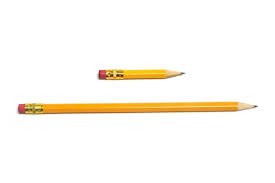
long基本信息
读法:英 [lɒŋ] 美 [lɔŋ]
释义:
使用频率:★★
星级词汇:★★★★★
英英释义
Adjective:
"a long boring speech"
"a long time"
"a long friendship"
"a long game"
"long ago"
"an hour long"
"a long distance"
"contained many long words"
"ten miles long"
"looked out the long French windows"
"tenacious memory"
"a long position in gold"
"took a long view of the geopolitical issues"
"in long supply"
"something long hoped for"
"his name has long been forgotten"
"talked all night long"
"how long will you be gone?"
"arrived long before he was expected"
"it is long after your bedtime"
中英词源
long 长的,渴望
来自古英语lang,长的,来自PIE*dlonghos,来自PIE*del的扩大形式,长的,字母d脱落,词源同indulgent,play,pledge.引申词义渴望。
- long
- long: [OE] Long goes back to a prehistoric Germanic *langgaz, which also produced German, Dutch, and Danish lang and Swedish lång. It is presumably related to Latin longus ‘long’ (source of French long, Italian lungo, and Romanian lung) but quite how has not been established. The derived verb long is of equal antiquity, and originally meant simply ‘grow long’; the current sense ‘yearn’ developed via ‘seem long’. Derived forms, more or less heavily disguised, include belong, Lent, linger, lunge, and purloin [15], etymologically ‘take a long way away’, hence ‘remove’.
=> belong, length, lent, linger, lunge, purloin - long (adj.)
- "that extends considerably from end to end," Old English lang "long," from Proto-Germanic *langgaz (cognates: Old Frisian and Old Saxon lang, Old High German and German lang, Old Norse langr, Middle Dutch lanc, Dutch lang, Gothic laggs "long").
The Germanic words are perhaps from PIE *dlonghos- (cognates: Latin longus, Old Persian darga-, Persian dirang, Sanskrit dirghah, Greek dolikhos "long," Greek endelekhes "perpetual," Latin indulgere "to indulge"), from root *del- "long."
The adverb is from Old English lange, longe, from the adjective. No longer "not as formerly" is from c. 1300; to be not long for this world "soon to die" is from 1714.
The word illustrates the Old English tendency for short "a" to become short "o" before -n- (also retained in bond/band and West Midlands dialectal lond from land and hond from hand).
Long vowels (c. 1000) originally were pronounced for an extended time. Sporting long ball is from 1744, originally in cricket. Long jump as a sporting event is attested from 1864. A ship"s long-boat so called from 1510s. Long knives, name Native Americans gave to white settlers (originally in Virginia/Kentucky) is from 1774. Long in the tooth (1841 of persons) is from horses showing age by recession of gums. Long time no see, imitative of American Indian speech, is first recorded 1900. To be long on something, "have a lot" of it, is from 1900, American English slang. - long (v.)
- Old English langian "to yearn after, grieve for," literally "to grow long, lengthen," from Proto-Germanic *langojanan (see long (adj.)). Cognate with Old Norse langa, Old Saxon langon, Middle Dutch langhen, Old High German langen "to long," German verlangen "to desire." Related: Longed; longing.
词态变化
第三人称单数 longs;
过去式 longed;
过去分词 longed;
现在分词 longing;
比较级 longer;
最高级 longest;
权威造句
- 1. A fellow doesn"t last long on what he has done. He"s got to keep on delivering as he goes along.--Carl Hubbell, Baseball Player
- 靠过去完成的无法让人保有成功,必须在路上持续交出成绩。
来自金山词霸 每日一句
- 2. The road to peace will be long and drawn-out.
- 通往和平的道路将很漫长。
来自柯林斯例句WwW.WENtiYI.COm
- 3. It was five long miles to the nearest pub.
- 离最近的酒吧有长长的5英里的路程。
来自柯林斯例句
- 4. His destination was Chobham Common, a long way from his Cotswold home.
- 他的目的地是乔伯姆公地,那里和他在科茨沃尔德的家离得很远。
来自柯林斯例句
- 5. It"s a long way to go for two people in their seventies.
- 对于两个七十几岁的人来说,这段路太远了。
来自柯林斯例句
近反义词
adj.
相似短语
单词分析
这些动词都有“希望”之意。desire语气较正式庄重,着重渴望的力量与热切,常含有强烈的意图和目的。
wish语气较弱,多指难于实现或不可能实现的愿望。
hope指对愿望实现有一定信心的希望。
expect通常指有很大程度的把握,但仍含有预料之意,或预计某事或某行动的发生。
want一般指所想要的东西是切望得到的东西,能弥补实际需要。
long语气强,指极殷切地盼望着,这种盼望侧重于很难或不可能得到的东西。有时也指一般愿望,但含一定感情色彩。 这些动词均含“渴望”之意。
yearn通常指急迫不安地渴望或向往,着重怀有柔情或热情。
long指诚心诚意地渴望某事或物。
thirst原义指对食物或饮料的渴求,引申指全力以求。
记忆方法
暂无,等待补充.
版权声明:问题易所有作品(图文、音视频)均来源网络,版权归原创作者所有,与本站立场无关,如不慎侵犯了你的权益,请联系我们告知,我们将做删除处理!