
ache基本信息
读法:英 [eɪk] 美 [ek]
释义:
使用频率:★★
星级词汇:★★★★
英英释义
Noun:
"I am pining for my lover"
中英词源
ache 疼痛
词源不确定。可能同词根ac, 尖,刺。辅音字母加h多见于希腊词。
- ache
- ache: [OE] Of the noun ache and the verb ache, the verb came first. In Old English it was acan. From it was formed the noun, æce or ece. For many centuries, the distinction between the two was preserved in their pronunciation: in the verb, the ch was pronounced as it is now, with a /k/ sound, but the noun was pronounced similarly to the letter H, with a /ch/ sound.
It was not until the early 19th century that the noun came regularly to be pronounced the same way as the verb. It is not clear what the ultimate origins of ache are, but related forms do exist in other Germanic languages (Low German āken, for instance, and Middle Dutch akel), and it has been conjectured that there may be some connection with the Old High German exclamation (of pain) ah. - ache (v.)
- Old English acan "to ache, suffer pain," from Proto-Germanic *akanan, perhaps from a PIE root *ag-es- "fault, guilt," represented also in Sanskrit and Greek, perhaps imitative of groaning. The verb was pronounced "ake," the noun "ache" (as in speak/speech) but while the noun changed pronunciation to conform to the verb, the spelling of both was changed to ache c. 1700 on a false assumption of a Greek origin (specifically Greek akhos "pain, distress," which is rather a distant relation of awe (n.)). Related: Ached; aching.
- ache (n.)
- early 15c., æche, from Old English æce, from Proto-Germanic *akiz, from same source as ache (v.).
词态变化
复数 aches;
第三人称单数 aches;
过去式 ached;
过去分词 ached;
现在分词 aching;
权威造句
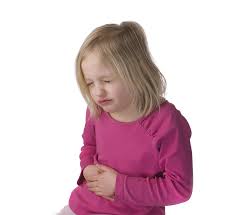
- 1. If I get another tummy ache, I will wire you to come.
- 如果我再肚子疼,我会发电报让你来.
来自柯林斯例句
- 2. The pain, usually a dull ache, gets worse with exercise.
- 通常不明显的疼痛在运动后会加剧。
来自柯林斯例句
- 3. My head had begun to ache and my stomach felt funny.
- 我的头开始疼起来,胃也有些不舒服。
来自柯林斯例句
- 4. Sharpe"sleg and shoulder began to ache, a sure sign of rain.
- 夏普的腿和肩膀开始疼痛,这预示着肯定要下雨了。
来自柯林斯例句
- 5. Poor posture can cause neck ache, headaches and breathing problems.
- 姿势不当会导致颈部疼痛、头痛和呼吸困难。
来自柯林斯例句
近反义词
v.
相似短语
单词分析
这些名词均含有“疼、疼痛”之意。ache指人体某一器官较持久的疼痛,常常是隐痛。
pain可与ache换用,但pain既可指一般疼痛,也可指剧痛,疼痛范围可以是局部或全身,时间可长可短。也可引申指精神上的痛苦。
sore指身体某部位的痛处,有是也指精神上的痛苦。
记忆方法
〔一(a)扯〈che〉绷带,伤口就疼〕
版权声明:问题易所有作品(图文、音视频)均来源网络,版权归原创作者所有,与本站立场无关,如不慎侵犯了你的权益,请联系我们告知,我们将做删除处理!