
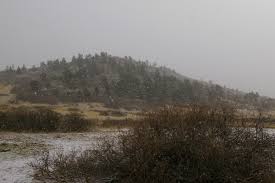
dreary基本信息
读法:英 ["drɪərɪ] 美 ["drɪri]
释义:
使用频率:★
星级词汇:★★
英英释义
Adjective:
"life was drab compared with the more exciting life style overseas"
"a series of dreary dinner parties"
"the dark days of the war"
"a week of rainy depressing weather"
"a disconsolate winter landscape"
"the first dismal dispiriting days of November"
"a dark gloomy day"
"grim rainy weather"
中英词源
dreary 沉闷的
来自PIE*dhreu, 滴,掉落,词源同drip, drop. 原义为滴血的,引申义沉闷的,阴深的。
- dreary
- dreary: [OE] In Old English, dreary (or drēorig, as it then was) meant ‘dripping with blood, gory’, but its etymological connections are with ‘dripping, falling’ rather than with ‘blood’. It goes back to a West Germanic base *dreuz-, *drauz- which also produced Old English drēosna ‘drop, fall’, probably the ultimate source of drizzle [16] and drowsy.
The literal sense ‘bloody’ disappeared before the end of the Old English period in the face of successive metaphorical extensions: ‘dire, horrid’; ‘sad’ (echoed in the related German traurig ‘sad’); and, in the 17th century, the main modern sense ‘gloomy, dull’. Drear is a conscious archaism, created from dreary in the 17th century.
=> drizzle, drowsy - dreary (adj.)
- Old English dreorig "sad, sorrowful," originally "cruel, bloody, blood-stained," from dreor "gore, blood," from (ge)dreosan (past participle droren) "fall, decline, fail," from Proto-Germanic *dreuzas (cognates: Old Norse dreyrigr "gory, bloody," and more remotely, German traurig "sad, sorrowful"), from PIE root *dhreu- "to fall, flow, drip, droop" (see drip (v.)).
The word has lost its original sense of "dripping blood." Sense of "dismal, gloomy" first recorded 1667 in "Paradise Lost," but Old English had a related verb drysmian "become gloomy."
词态变化
比较级 drearier;
最高级 dreariest;
副词 drearily;
名词 dreariness;
权威造句
- 1. a dreary winter"s day
- 阴沉的冬日
来自《权威词典》
- 2. The otherwise dreary book is enlivened by some very amusing illustrations.
- 这本枯燥乏味的书幸亏加了一些精彩的插图才变得生动有趣.
来自《简明英汉词典》
- 3. His speech was dreary.
- 他的讲演枯燥乏味.
来自《现代英汉综合大词典》
- 4. So a dreary Monday afternoon in Walthamstow is nothing to write home about, right?
- 这么说,在沃尔瑟姆斯托度过的一个沉闷的周一下午没什么值得大书特书的,是吗?
来自柯林斯例句
- 5. She was tired of hearing the same dreary tale of drunkenness and violence.
- 她听够了那些关于酗酒和暴力的乏味故事.
来自《简明英汉词典》
近反义词
相似短语
暂无,等待补充.
单词分析
这些形容词均表示“单调的、乏味的、厌烦的”之意。dull指缺乏鲜明、吸引力或情趣而显得乏味、沉闷。
tedious侧重指文章、演讲、演出等冗长乏味或环境等单调、沉闷,缺乏活力,使感到不舒服。
monotonous指没有变化、重复单调的。
dreary侧重无趣味的,不活泼的事或思想状态。
记忆方法
1、from dreor "blood"; from dreosan (past participle droren) "fall, drop, decline, fail,"; from PIE root *dhreu- "to fall, drop, flow, drip, droop".
2、The word has lost its original sense of "dripping blood.".
3、其它具有同源性的相关词:drizzle, drip, drop, droop, drowsy.
4. 枯 --》就是枯萎,因为干燥才会枯萎,燥 --》本身就是干燥的意思。所以枯燥本身就表示很干、干巴巴的意思,所以:dry + ear => drear => dreary => 听得耳朵都干巴巴的、听起来很“干”。
5. 谐音“赘而累”------累赘得让人很累。
版权声明:问题易所有作品(图文、音视频)均来源网络,版权归原创作者所有,与本站立场无关,如不慎侵犯了你的权益,请联系我们告知,我们将做删除处理!