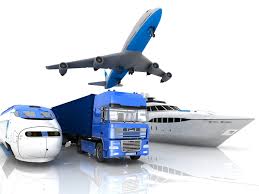
something that serves as a means of transportation
an exchange of molecules (and their kinetic energy and momentum) across the boundary between adjacent layers of a fluid or across cell membranes
the commercial enterprise of moving goods and materials
a state of being carried away by overwhelming emotion;"listening to sweet music in a perfect rapture"
a mechanism that transports magnetic tape across the read/write heads of a tape playback/recorder
the act of moving something from one location to another
Verb:
move something or somebody around; usually over long distances
move while supporting, either in a vehicle or in one"s hands or on one"s body;"You must carry your camping gear" "carry the suitcases to the car" "This train is carrying nuclear waste" "These pipes carry waste water into the river"
hold spellbound
transport commercially
send from one person or place to another;"transmit a message"
中英词源
transport 交通,输送,运送
trans-,转移,-port,携带,词源同 port,report.
transport (v.)
late 14c., "convey from one place to another," from Old French transporter "carry or convey across; overwhelm (emotionally)" (14c.) or directly from Latin transportare "carry over, take across, convey, remove," from trans- "across" (see trans-) + portare "to carry" (see port (n.1)). Sense of "carry away with strong feelings" is first recorded c. 1500. Meaning "to carry away into banishment" is recorded from 1660s.
transport (n.)
mid-15c., originally "mental exaltation;" sense of "means of transportation, carriage, conveyance" is recorded from 1690s; from transport (v.).