
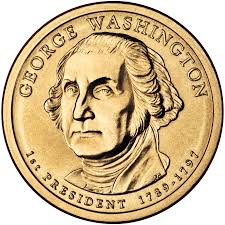
coin基本信息
读法:英 [kɒɪn] 美 [kɔɪn]
释义:
使用频率:★★
星级词汇:★★★★
英英释义
Noun:
"strike a medal"
中英词源
coin 硬币,创造新词语
词源同cone, cuneiform(楔形). 来自PIE*ak, 尖,刺,见acid, acumen. 最早指铸造货币的楔形模子,后指铸造的硬币及创造义。
- coin
- coin: [14] Latin cuneus meant ‘wedge’ (from it we get cuneiform ‘wedge-shaped script’). It passed into Old French as coing or coin, where it developed a variety of new meanings. Primary amongst these was ‘corner-stone’ or ‘corner’, a sense preserved in English mainly in the now archaic spelling quoin. But also, since the die for stamping out money was often wedge-shaped, or operated in the manner of a wedge, it came to be referred to as a coin, and the term soon came to be transferred to the pieces of money themselves.
=> quoin - coin (n.)
- c. 1300, "a wedge," from Old French coing (12c.) "a wedge; stamp; piece of money; corner, angle," from Latin cuneus "a wedge." The die for stamping metal was wedge-shaped, and the English word came to mean "thing stamped, a piece of money" by late 14c. (a sense that already had developed in French). Compare quoin, which split off from this word 16c. Modern French coin is "corner, angle, nook." Coins were first struck in western Asia Minor in 7c. B.C.E.; Greek tradition and Herodotus credit the Lydians with being first to make and use coins of silver and gold.
- coin (v.)
- "to coin money," mid-14c., from coin (n.). Related: Coined; coining. To coin a phrase is late 16c. A Middle English word for minter was coin-smiter.
词态变化
复数 coins;
第三人称单数 coins;
过去式 coined;
过去分词 coined;
现在分词 coining;
权威造句
- 1. I pulled a coin from my pocket and flipped it.
- 我从口袋里掏出一个硬币,把它弹向空中。
来自柯林斯例句
- 2. Thirteen per cent of Christie"s coin and banknote auction went unsold.
- 佳士得13%的硬币和纸币拍卖流拍。
来自柯林斯例句
- 3. I put the coin in the machine and pulled the lever.
- 我把硬币投入机器,拉动控制杆。
来自柯林斯例句
- 4. The golden rule is never to clean a valuable coin.
- 重要的原则是决不清除贵重硬币上的污垢。
来自柯林斯例句
- 5. Coin-operated telephones took 100, 200 and 500 lire coins.
- 投币电话接受100,200和500里拉的硬币。
来自柯林斯例句wwW.wENtIyi.com
近反义词
相似短语
单词分析
这些名词均有“(金)钱”之意。money钱的通称,可以是硬币可以是纸币,也可指用作货币的其它物品。
cash特指立即可以兑现的现金或现款。
coin指铸造的硬币。
currency指在流通中的货币,是全部流通中通货的总称,也可指纸币。
记忆方法
暂无,等待补充.
版权声明:问题易所有作品(图文、音视频)均来源网络,版权归原创作者所有,与本站立场无关,如不慎侵犯了你的权益,请联系我们告知,我们将做删除处理!