
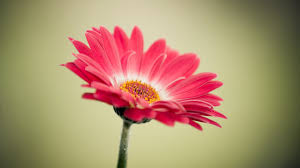
flower基本信息
读法:英 ["flaʊə] 美 ["flaʊɚ]
释义:
使用频率:★★★★
星级词汇:★★★★★
英英释义
Noun:
中英词源
flower 花
来自拉丁语florem, 花,来自PIE*bhel, 鼓起,膨胀,开花,词源同blow, foil. 拼写比较tower,turret.
- flower
- flower: [13] The Old English word for ‘flower’ was blōstm, which is ultimately related to flower. Both come from Indo-European *bhlō-, which probably originally meant ‘swell’, and also gave English bloom, blade, and the now archaic blow ‘come into flower’. Its Latin descendant was flōs, whose stem form flōr- passed via Old French flour and Anglo-Norman flur into English, where it gradually replaced blossom as the main word for ‘flower’. Close English relatives include floral, florid [17] (from Latin flōridus), florin, florist [17] (an English coinage), flour, and flourish.
=> blade, bloom, blow, floral, florid, flour, flourish - flower (n.)
- c. 1200, flour, also flur, flor, floer, floyer, flowre, "the blossom of a plant; a flowering plant," from Old French flor "flower, blossom; heyday, prime; fine flour; elite; innocence, virginity" (12c., Modern French fleur), from Latin florem (nominative flos) "flower" (source of Italian fiore, Spanish flor; compare flora).
From late 14c. in English as "blossoming time," also, figuratively, "prime of life, height of one"s glory or prosperity, state of anything that may be likened to the flowering state of a plant." As "the best, the most excellent; the best of its class or kind; embodiment of an ideal," early 13c. (of persons, mid-13c. of things); for example flour of milk "cream" (early 14c.); especially "wheat meal after bran and other coarse elements have been removed, the best part of wheat" (mid-13c.). Modern spelling and full differentiation from flour (n.) is from late 14c.
In the "blossom of a plant" sense it ousted its Old English cognate blostm (see blossom (n.)). Also used from Middle English as a symbol of transitoriness (early 14c.); "a beautiful woman" (c. 1300); "virginity" (early 14c.). Flower-box is from 1818. Flower-arrangement is from 1873. Flower child "gentle hippie" is from 1967. - flower (v.)
- c. 1200, "be vigorous, prosper, thrive," from flower (n.). Of a plant or bud, "to blossom," c. 1300. Meaning "adorn or cover with flowers" is from 1570s. Related: Flowered; flowering.
词态变化
复数 flowers;
第三人称单数 flowers;
过去式 flowered;
过去分词 flowered;
现在分词 flowering;
权威造句
- 1. She now makes wonderful dried flower arrangements to order.
- 现在她为顾客定做漂亮的干花插花。
来自柯林斯例句
- 2. Those killed have been described as the flower of Polish manhood.
- 那些牺牲者被称为波兰男子中的精英。
来自柯林斯例句
- 3. Pickers are bent double, plucking each flower with lightning speed.
- 采花人弓着身子飞快地摘着花。
来自柯林斯例句wwW.weNTIyI.cOm
- 4. This helps to ripen new growth and makes it flower profusely.
- 这有助于新生发植株的成熟,令其开出繁茂的花朵。
来自柯林斯例句
- 5. Several of these rhododendrons will flower this year for the first time.
- 这些杜鹃花有些将在今年首度开花。
来自柯林斯例句
近反义词
n. & v.
相似短语
单词分析
这些名词均含“花”之意。bloom主要指诸如牡丹、玫瑰、梅花、菊花等供观赏的花以及花的状态。
blossom一般指树木开花,尤指果树上开的花。
flower指开放的花朵或泛指花卉。
记忆方法
暂无,等待补充.
版权声明:问题易所有作品(图文、音视频)均来源网络,版权归原创作者所有,与本站立场无关,如不慎侵犯了你的权益,请联系我们告知,我们将做删除处理!